Kia’s successful streak continues as the company has applied the Los Angeles Auto Show to unveil a considerably improved Seltos.
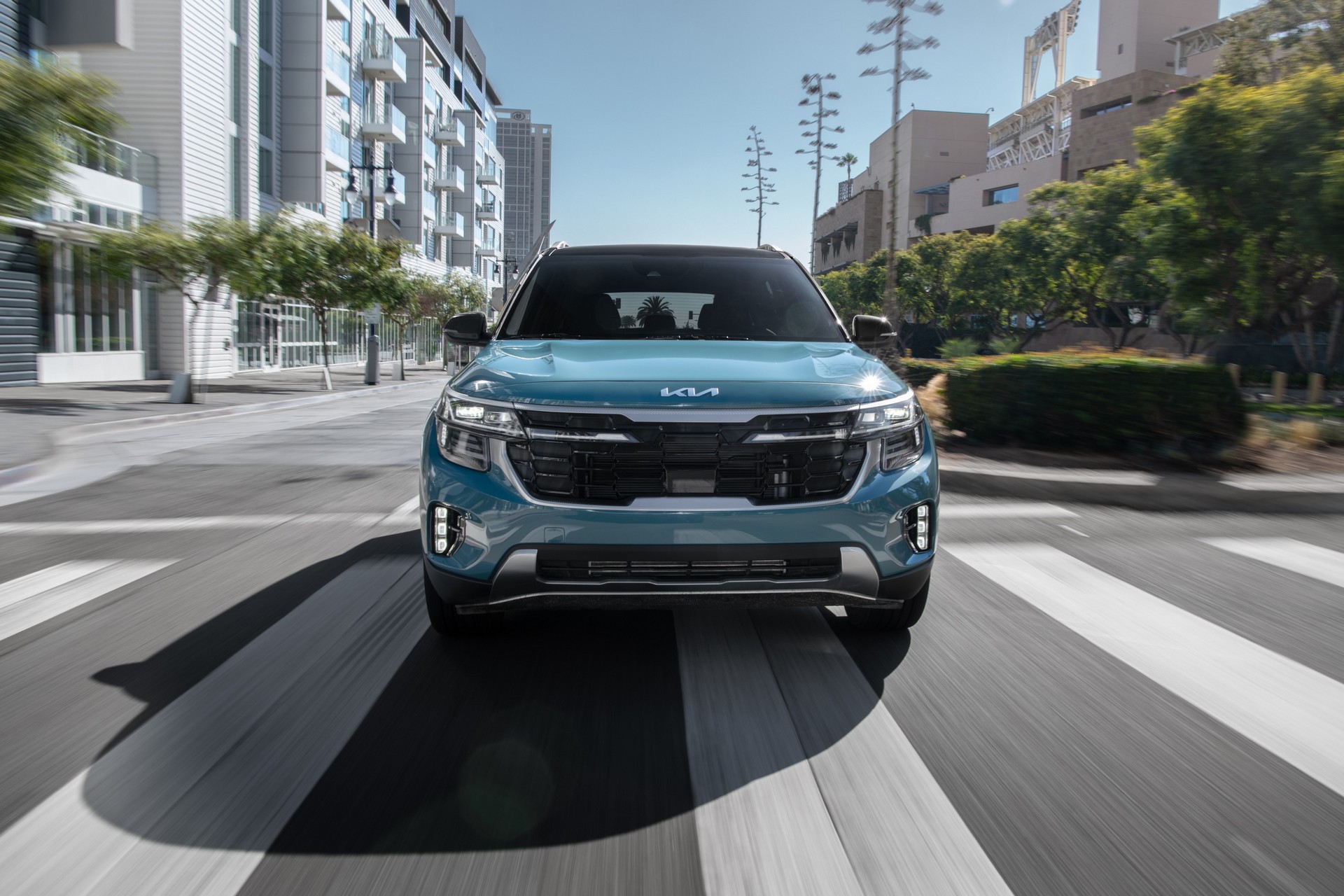
Wanting much extra refined than its predecessor, the 2024 Seltos characteristics a bold front fascia with a more substantial tiger nose grille that can be outfitted with accessible “Star Map” LED accents. Even more below, there’s a new front bumper with greater intakes that now residence vertical fog lights.
Also: 2023 Kia Sportage Arrives To The usa With New Rugged-Wanting X Designs
The rear conclusion athletics a rugged bumper that eschews the faux exhaust therapy discovered on the current design. However, the most visible enhance are new taillights with bands that lengthen toward the centre of the crossover.
Designers did not prevent there as the 2024 Seltos has restyled wheels and a revised colour palette that includes Pluton Blue, Fusion Black, and Valais Environmentally friendly. Clients can also decide for a new X-Line variant, which comes outfitted with a gunmetal grille, gloss black accents, a bridge-model roof rack, and distinctive 18-inch alloy wheels.
A Classier And Much more Sophisticated Cabin
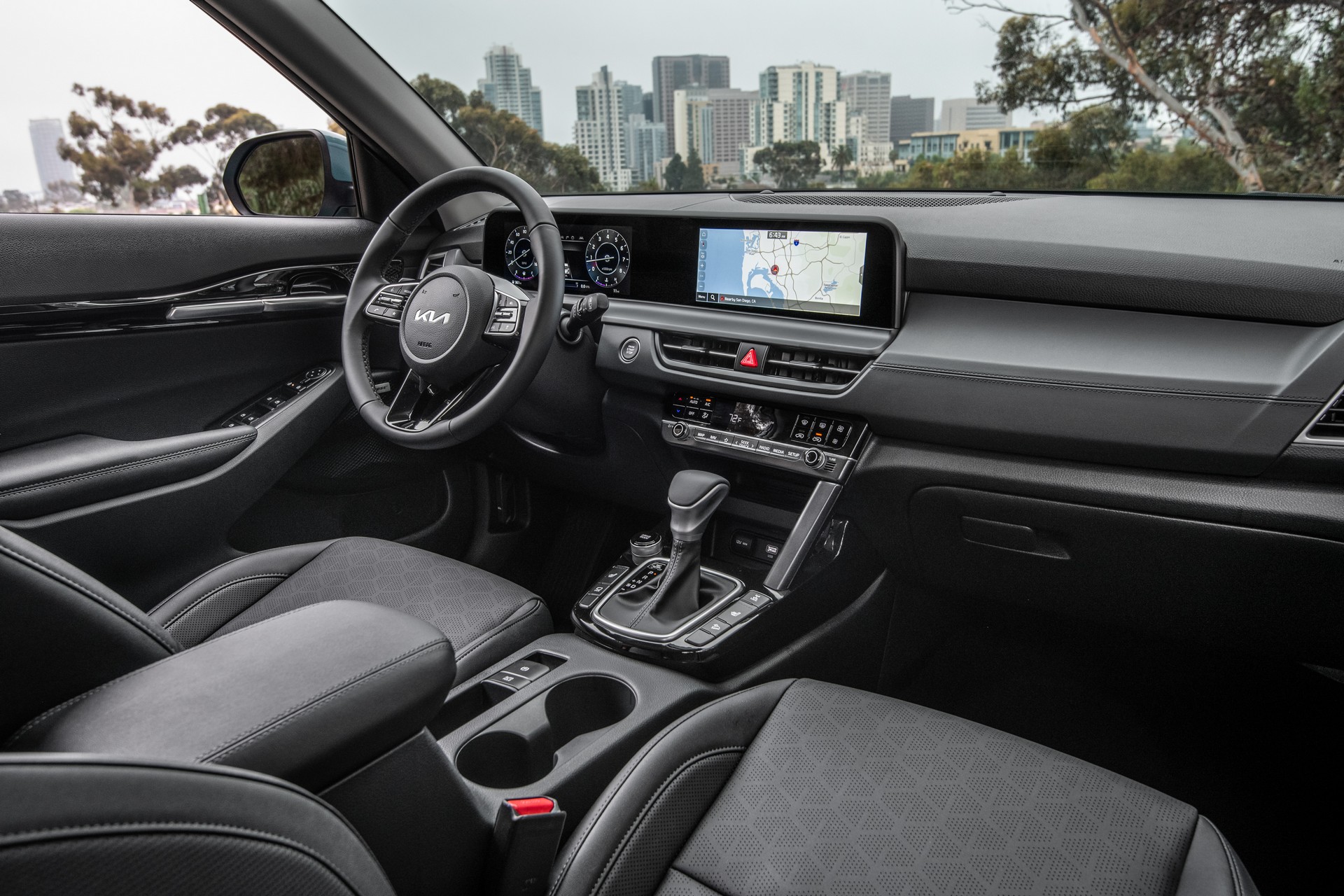
The inside was a weak spot for the Seltos, but Kia has addressed the concern with a new dashboard and a revised instrument cluster that now features a larger sized 4.2-inch screen. Even so, the true standout is the accessible panoramic screen show that is made up of a 10.25-inch digital instrument cluster and a matching 10.25-inch infotainment system.
Added changes are confined, but the 2024 Seltos athletics a revised heart stack with updated controls. They’re joined by new air vents and a familiar shifter, contrary to the Korean variant which has a more minimalist rotary setup. Buyers will also uncover bigger-end possibilities these types of as a electric power liftgate and ventilated front seats. Other highlights incorporate help for about-the-air updates and available digital important technologies.
An Upgraded 1.6-Liter Turbo With 195 HP
Beneath the hood, there’s a familiar 2.-liter four-cylinder motor that produces 147 hp (110 kW / 149 PS) and 132 lb-ft (180 Nm) of torque. It’s connected to an Smart Variable Transmission, which can be paired to an optional all-wheel push process.
While the entry-stage motor carries about, the turbocharged 1.6-liter 4-cylinder has been upgraded to produce 195 hp (146 kW / 198 PS) for an enhance of 20 hp (15 kW / 20 PS). Turbocharged products also trade the existing seven-pace dual-clutch transmission for a new eight-velocity computerized, which is with any luck , far more refined than its predecessor.
In terms of safety, there are numerous new and enhanced driver help systems. Key amongst them is Ahead Collision Avoidance Guide with Pedestrian and Bike owner Detection, which can quickly utilize the brakes if a collision is imminent. Other new additions involve Blind Spot Collision Warning, Smart Pace Limit Aid, and Intelligent Speed Restrict Warning.
Which is just the suggestion of the iceberg as the Seltos arrives typical with Substantial Beam Support, Lane Next Guide, and a Rear View Keep track of. Better-stop variants insert Good Cruise Control with Stop and Go, Highway Driving Help, Protected Exit Warning, and Rear Cross-Visitors Collision-Avoidance Assist.
The 2024 Seltos is slated to get there at U.S. dealerships in the initial 50 percent of 2023 and pricing will be announced closer to launch.
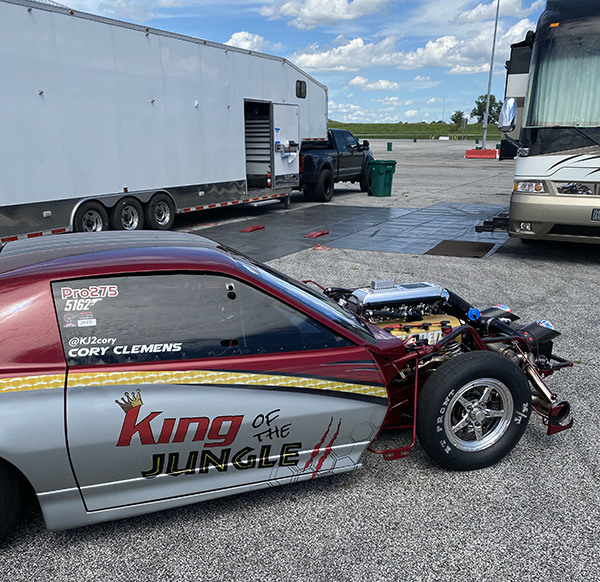
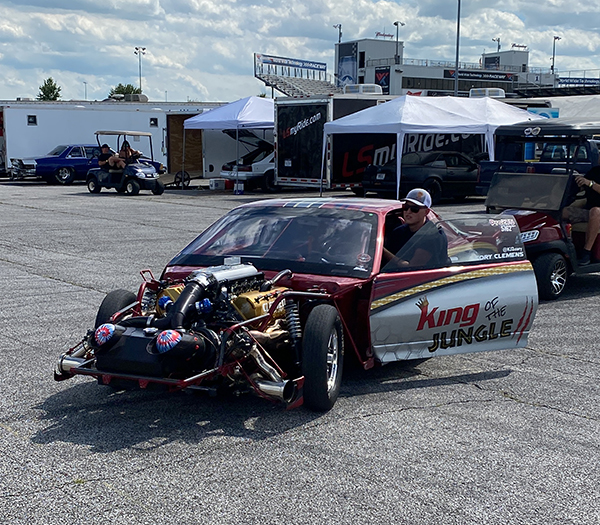
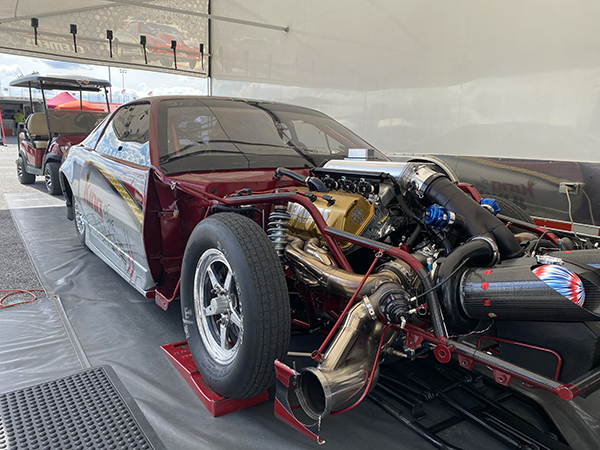
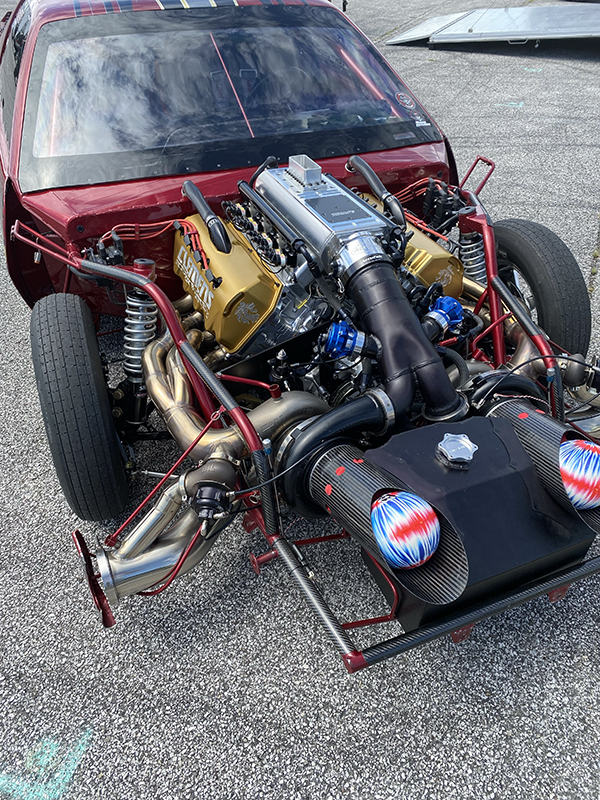
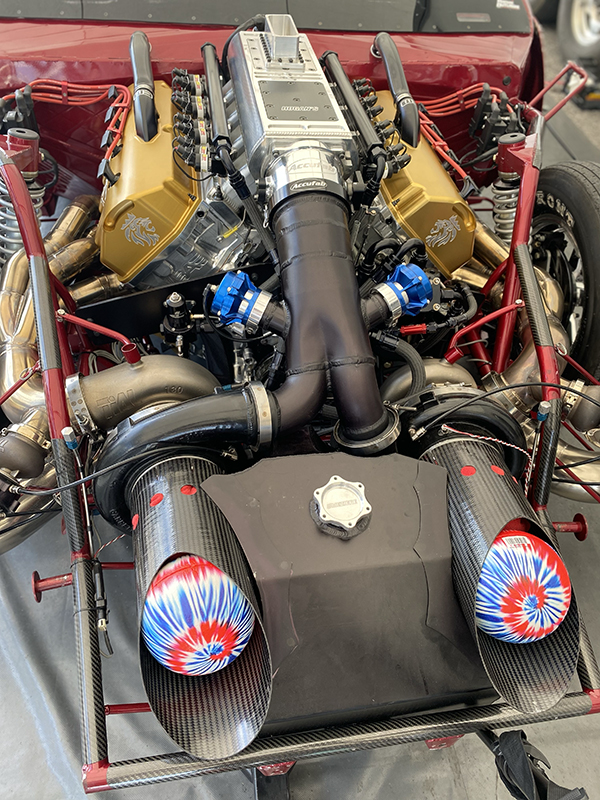
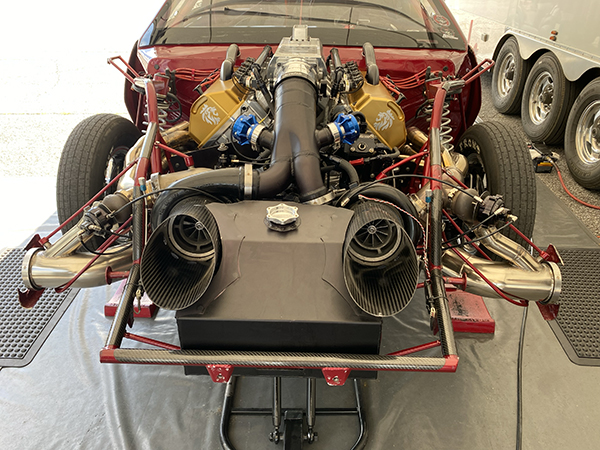
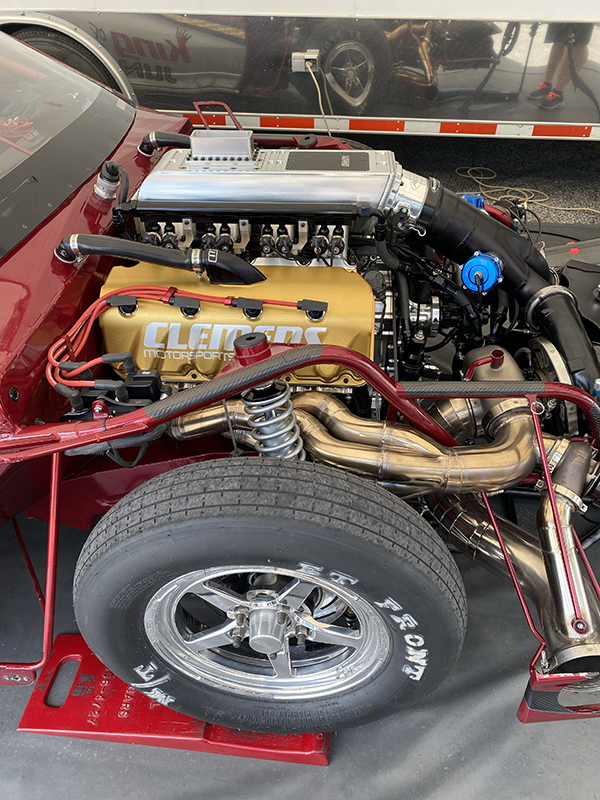
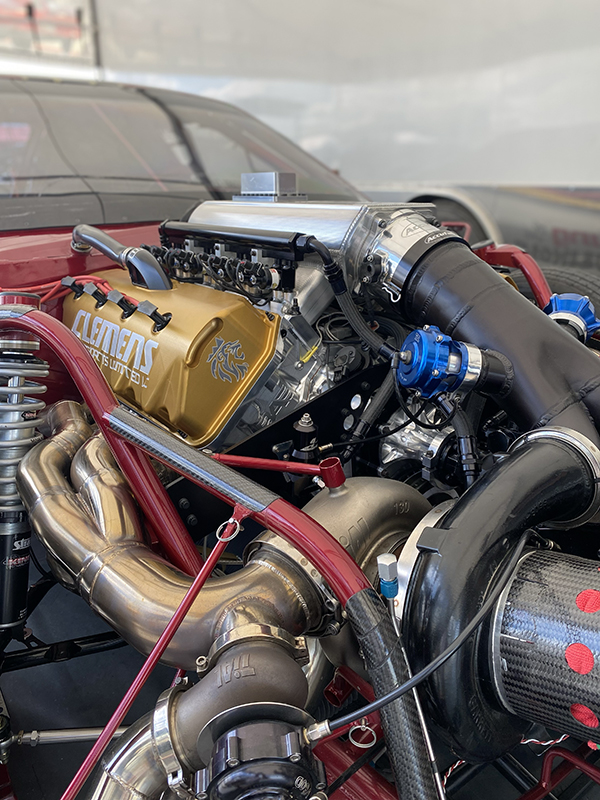
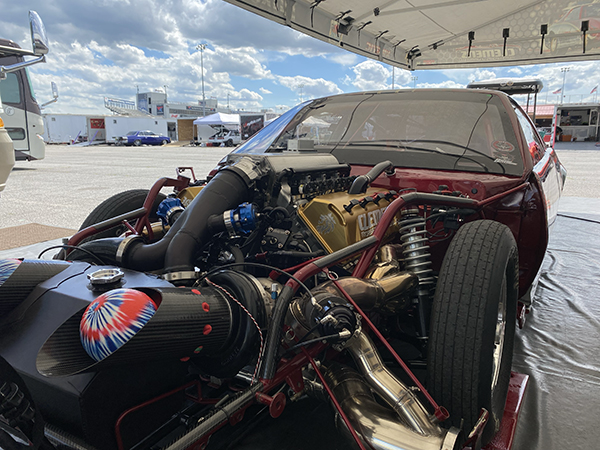
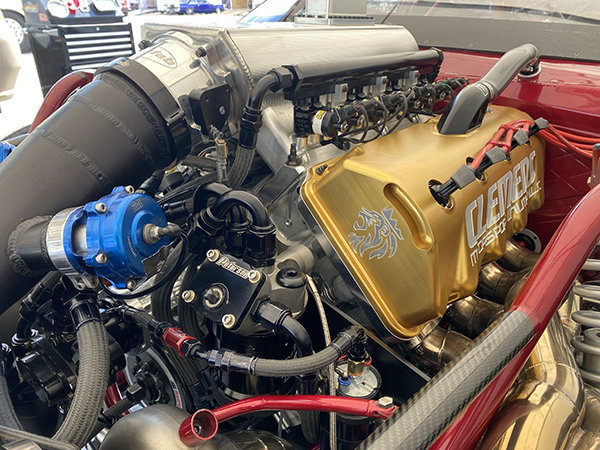
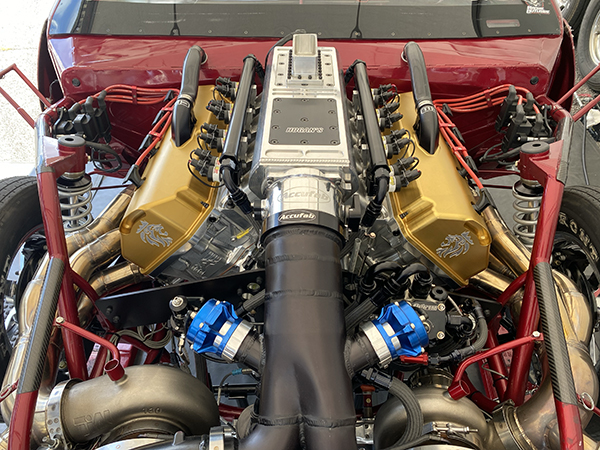
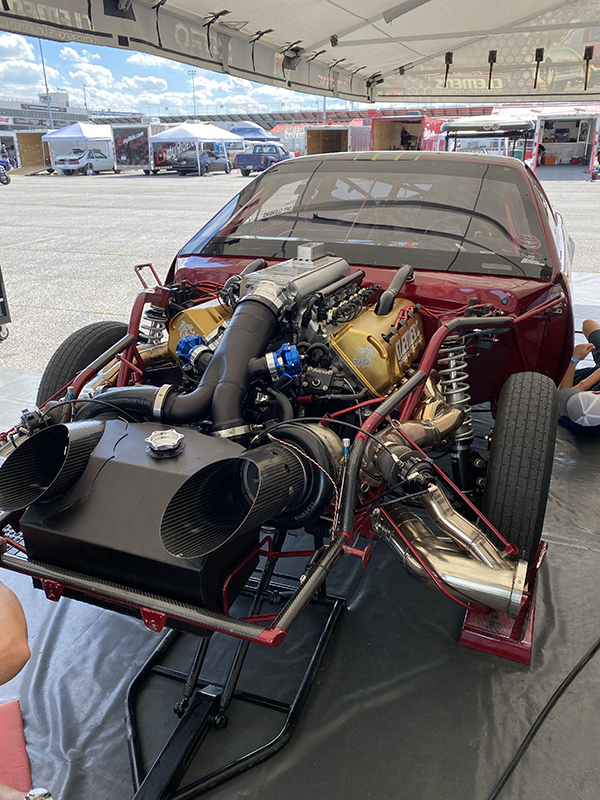
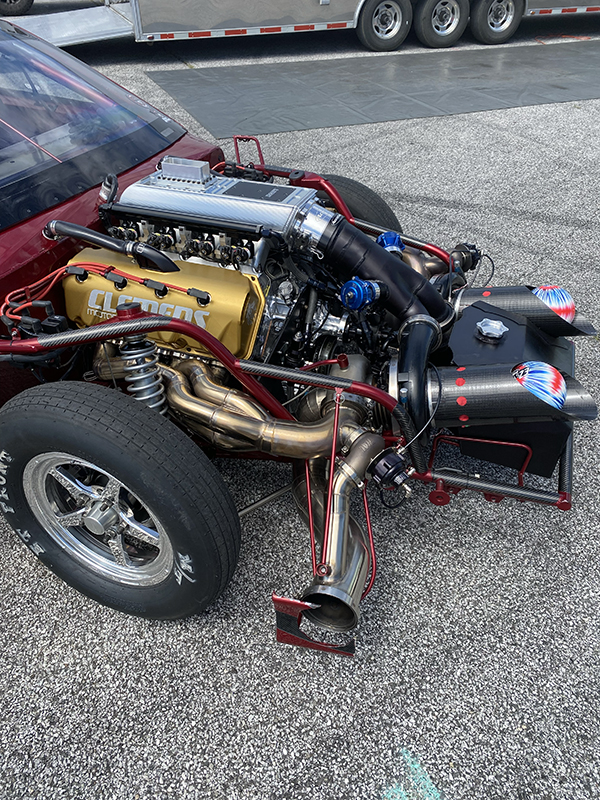
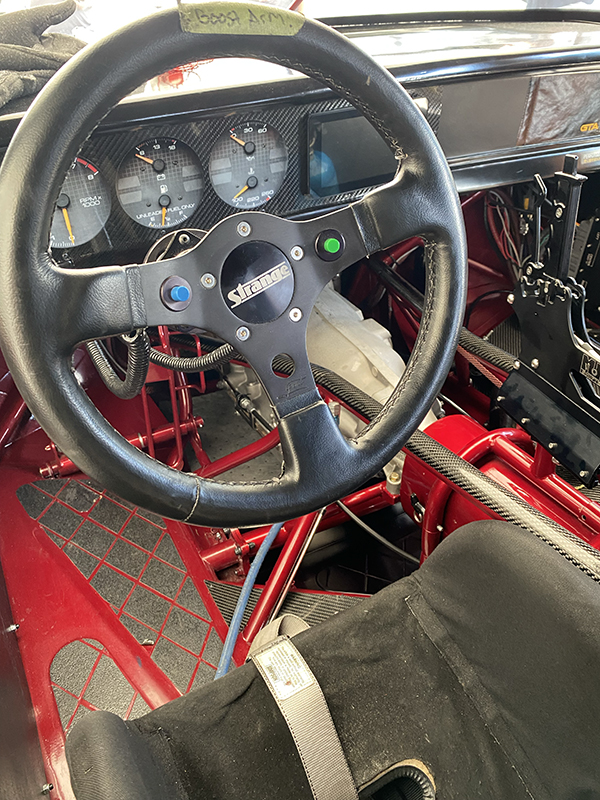
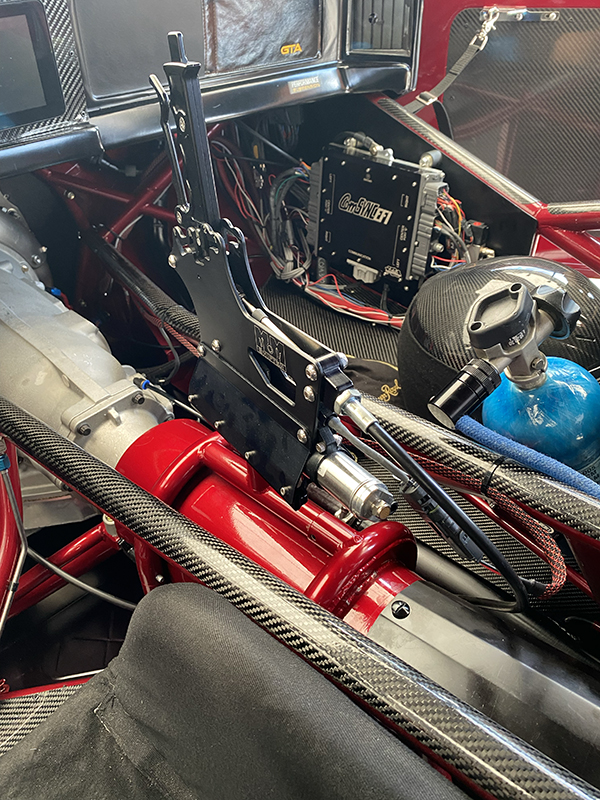
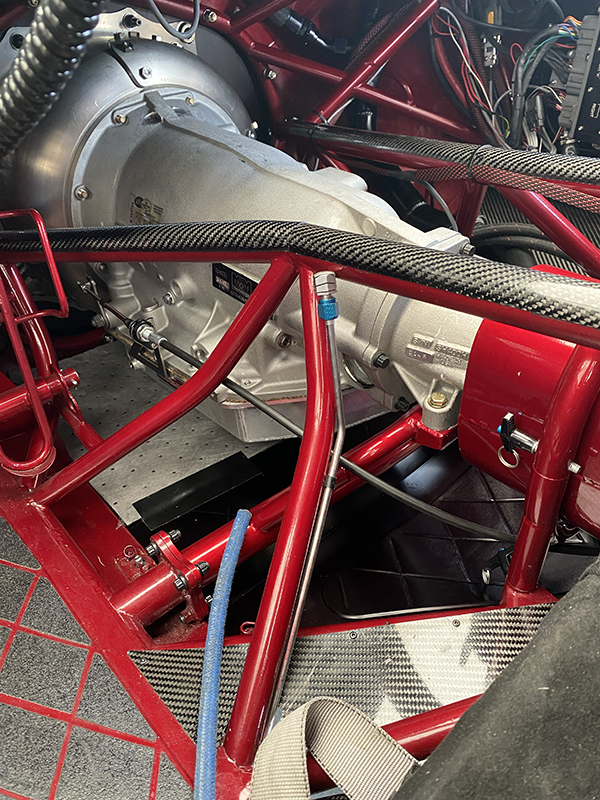
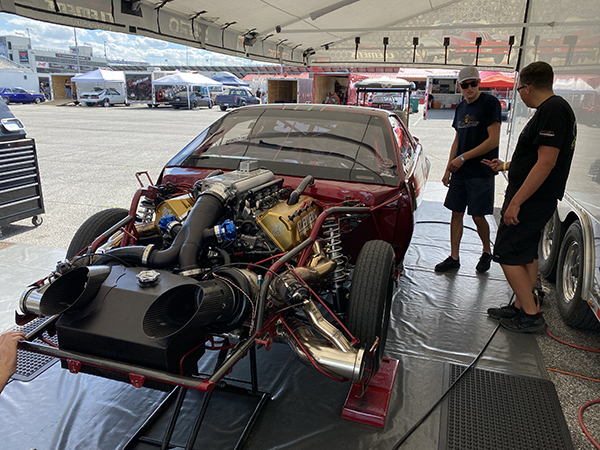
There were more than a few cool-looking engine bays at the 2022 Builder’s Brawl this past summer, but none in our opinion topped that of Cory Clemens of Clemens Motorsports Unlimited LLC. His Pro275 drag car, nicknamed King of the Jungle II, is a Trans Am featuring a gray, black, gold and burgundy red paint job, and his engine bay houses a massive, twin-turbo, 526 cubic inch Hemi engine. It stood out, even amongst a crowd of other super-clean, super stout drag cars, so we had to know more about the engine and the builder/driver behind it.
As it turned out, Cory started building this car when he was just 16 years old. His family owns and operates Clemens Motorsports Unlimited LLC out of Osage Beach, MO. The shop has been around for over 30 years, doing everything from running professorial race teams to working on major marketing projects for performance businesses.
“All my life you could find me at the drag strip,” Cory Clemens says. “Whether that was watching my dad race his Pro Mod, to making laps in my high school car, or even helping out on some of the pro teams. I’ve driven everything from Jr. Dragsters to Pro Street cars and even Super Comp dragsters, and I don’t plan on stopping there.”
The 2022 Builder’s Brawl was held at World Wide Technology Raceway
Cory has aspirations of one day driving a Top Fuel dragster. His Pro275 Trans Am is a good stepping stone for sure. The car he had at the Builder’s Brawl was a four-year build.
“We debuted this car at PRI in 2019,” Clemens told us. “It’s a Pro275 car that we built for LDR (Limited Drag Radial), but we ended up getting bumped up. Currently, we’re doing more No Prep and No Time racing and that kind of thing.
“Pretty much anything you see on the car, I did it. It was a four-year project I did in high school. It involved a lot of tin work and bar bending. I learned how to weld and really got good at that. At our shop, I do a lot of roll cages for guys. I do a lot of sheet metal work and just help anywhere I can for customers. We also do some parts sales. I wired, plumbed and welded the car. If it was done, I did it. That’s what I love to do.”
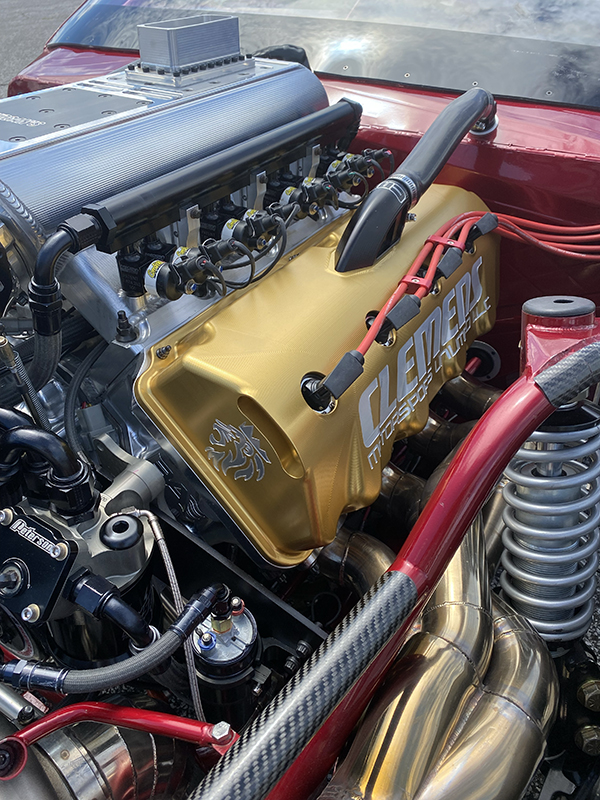
The 526 cid Hemi engine features a billet Brad Anderson Enterprises block and cylinder heads, as well as a Bryant crankshaft, CP connecting rods, an LSM camshaft, Manton pushrods, Manton rockers, a Hogan’s sheet metal intake, custom valve covers, a Peterson oiling system, and twin 88mm Garrett turbos with TiAL wastegates.
“It’s got the best of the best that we could put in it,” Clemens says. “It’s billet everything. We did everything we could do to get an edge.”
Of course, helping the Hemi gain an edge are those sizable Garrett twin turbos, as well as ComSYNC EFI. According to Cory, he usually pumps about 50-lbs. of boost through them and starts a run somewhere in the 7-10-lb. range, depending on the track and application. All of that equates to a billet Hemi capable of making around 4,800-5,000 horsepower.
When Cory runs something like a Duck X Production race, he says the team shoots for a 3.80-4.00 pass. However, his expectations were a little different, he says, with the No Prep stuff.
“Here at Builder’s Brawl, we’re hoping to run 4.50-4.80,” he noted. “That’s what we’re kind of shooting for as our goal for the weekend. We’d be happy with that because this is one of our first No Prep races. If we can get anything under a 5.00 flat we’d be really stoked.”
This Pro275 Trans Am and its twin-turbo Hemi engine are definitely a killer combo, and we look forward to seeing many, many more years of Cory in the driver’s seat. Needless to say, we’re glad we stopped and found out a little bit more about Cory Clemens and his drag car. More photos below…
The Honda Accord sedan has entered its eleventh company cycle, and concerning modifications, some parts have been extra and subtracted.
The The new technology of Honda Accord It is listed here, and as we have viewed in other current versions from the Japanese maker, the sedan has picked out Far more regular style and design from its predecessor. For inside objects taken from the previous CivicAnd in terms of mechanics there are surprises.
Aesthetic modifications are apparent and introduced Simpler and more delicate traces and extras. The radiator grille is more compact with a grille, alongside with a pair of stripped headlights. Complete straight LED mild signature. Fenders as opposed to the bodywork.
The hood is a minimal lengthier, and from the facet perspective we can see the roof line Has a smoother drop. At the again, there is a small spoiler on the tailgate and the lighting package is developed into it, holding the very same The basic concept of the full car.
Inside growth and machines
A first glimpse of the interior normally takes us to the entirely renovated entrance panel, which is indicative of design and style Cooler and far more contemporary. New electronic screens for the dashboard and multimedia centre, as very well as a new distribution for the centre console and The vent hole is a strip that goes from a single side to the other.
Relying on the trim stage, the new Honda Accord 2024 can be equipped with Android Auto and Apple CarPlay or wi-fi. Obtain to Google MapsGoogle Assistant, Google Engage in, and additional. You can combine the leather steering wheel, sunroof, black upholstery and Aluminum pedals.
In the safety area, additional New airbags For driver and passenger, knee and rear passenger side airbags are regular. Driving guidance suite Honda sensor It has also been current with additional options.
Driving options
At the base of the selection is a 1.5-liter four-cylinder turbocharged motor New variable valve raise technology, Enhanced direct injection system and large rigidity crankshaft. The toughness continues to be the identical 192 hp and 260 Nm of torque.
Even though the 2.-liter turbo engine generates 252 horsepower and 360 Nm Taken offlineThe hybrid edition of the Accord has been modified. The electrified procedure consists of a 2.-liter 4-cylinder engine and two electrical motors which are situated next to each other.
The The energy decreased from 212 hp to just 204 hp, but increased the output torque to 335 Nm. Having said that, the brand name ensures that this motor It responds superior and extra proficiently at greater speeds. The suspension was tuned for what Honda identified as a “more engaging driving knowledge.”
Welcome to throwback Thursday, where we glance back again at basic cars and trucks from days gone by and their effect on automotive heritage. This week’s throwback: Mazda’s marvelous 323 GTX.
The 1980s and 90s were being halcyon times for Japanese automakers. Honda, Toyota, Nissan, Mitsubishi, and Subaru were all building sports activities coupes and very hot compacts with new and flashy tech like lively aero, 4-wheel steering, and twin turbo engines.
Mazda was no exception, and though most would argue their best strike of the period is possibly the MX-5 Miata or third-generation RX-7, there was a very little gem Mazda crafted that however has a cult subsequent currently: the 323 GTX.
Initial showing in Japan for 1985, the GTX was a rally-all set version of Mazda’s compact 323. Mazda blessed the GTX with a 1.6-liter turbocharged inline 4 rated at 138 hp and 137 lb-ft. Individuals quantities could not audio impressive right now, but the diminutive 323 was a featherweight at a very little more than 2500 lbs. The GTX was also bestowed with a whole-time 4-wheel drive program that includes a locking centre differential and a five-velocity manual gearbox.
The GTX loved success in FIA’s Team A category during the 80s. The rally-organized versions have been noticeably extra strong than the street-likely GTXs with around 250 horsepower. The GTX’s good results on the rally stage led to the launch of a exclusive homologation version, the GT-Ae. Available only in Japan, the GT-Ae appeared in 1988 and showcased a 10 hp boost in energy and a viscous constrained-slip rear differential.
1988 was also the calendar year that the GTX appeared stateside as Mazda’s initial North American providing of a 4-wheel drive car. The U.S. and Canadian versions of the GTX highlighted the same turbocharged 1.6-liter I4 and 4-wheel push system. Just more than 1300 GTXs were imported to North The us from 1988 to 1989, generating them a pretty uncommon come across now.
While product sales of Mazda’s pocket rally-rocket ceased in North The us following 1989, the product was carried in excess of to the future generation of the 323 in Japan. The new auto obtained the extra powerful 1.8-liter turbo engine rated at 185 hp and arrived regular with a pair of viscous constrained-slip differentials.
Like the previous era, a homologation model was included later on in manufacturing. Dubbed the GTR, it acquired distinctive entrance and rear bumpers, hood vents, fender flares, and an upgraded suspension. Moreover, the front and rear subframes had been strengthened and the GTR highlighted five-lug hubs with greater brakes.
The GTR’s engine was also upgraded with a more powerful crankshaft, connecting rods, and pistons. Other advancements integrated upsized piston oil squirters, an oil cooler, sodium crammed valves, a baffled consumption manifold, greater injectors, a front-mounted intercooler, and a larger turbo. These adjustments boosted the GTR’s electricity output around the GTX by 25 hp for a complete of 207.
Mazda also created a specific GT-Ae model of this era. The GT-Ae’s engine was unchanged but was mated to a near ratio gearbox. The GT-Ae was also lighter by 66 lbs. thanks to the deletion of the antilock brakes, air conditioning, power mirrors, windows, and locks, and the GTX’s sunroof. Only 300 examples of the GT-Ae were being created.
HORN, AUSTRIA – NOVEMBER 16: Markus Stockinger of Austria and Franz Stockinger of Austria in their Mazda 323 GT-T Open-N for the duration of the Waldviertel Rallye at Horn on November 16, 2019 in Horn, Austria. (Photo by Markus Tobisch/SEPA.Media /Getty Images)
Even though the automobile was only sold for a couple yrs in the U.S., the GTX stays a cult most loved amongst rally lovers and has ongoing to be a well known rally system 30 a long time just after it went out of creation. With the afterwards GTX and GTR variations now lawful for U.S. import, its very likely that yet another wave of these vehicles will shortly be popping in North The united states.
Salvaggio Design – Kevin Hart the car guy (and international superstar) visited the SEMA Show in Las Vegas to see his brand new project for the first time; an ’87 Buick Grand National T-Top. It featured in the Magnaflow booth and was stationed across the aisle from Hart’s 1969 Plymouth Roadrunner, which starred in the Meguiar’s booth. Both cars were built by Salvaggio Design and designed by Sean Smith, ensuring the highest quality and a ridiculous attention to detail.
Wisconsin-based Dave Salvaggio has worked on numerous projects with Kevin, so they sat down with Smith to devise his beautiful Buick. And straight away, the direction was set by its name; Dark Knight.
All Hart’s cars have a name. The Roadrunner was Mike Myers, for example. It inspired Smith to devise a black and orange Halloween paint scheme with a blood-splatter effect on the leather seats, a knife handle shifter, and hockey mask-wearing Roadrunner badges.
Avoiding any Batmobile styling cues for the Grand National, the theme for Dark Knight is subtle. It’s recognizable by its sinister appearance, featuring a black exterior with a blue and grey interior that echoes the superhero’s suit and cape. Bronze details were inspired by the famous utility belt.
Aside from its theme, Hart wanted to create a Grand National resto-mod that would redefine its key elements with modern technology. However, he insisted Salvaggio and Smith retain the car’s character, including its stock fenders, to create a wolf in sheep’s clothing; something nobody would suspect.
Already the proud owner of a Grand National GNX with its factory flares, Hart didn’t want the new car to overwhelm it. He also stipulated it must have the famous T-Top roof, which triggered the search for a very specific car.
GRAND NATIONAL
Once a suitable donor was found, Smith worked with the Salvaggio Design team to execute the vision with restraint. It wouldn’t be extroverted or widebody; instead they focused on details such as restyling the front bumper. Using 3D CAD technology, the front bumper was scanned and a new design was 3D-printed, incorporating functional air ducts to improve the cooling and aerodynamic properties; something they deemed necessary given the chosen powerplant. The printed bumper was then used to mold the final piece in carbon fiber.
Carbon fiber from Brothers Composites was used sparingly, limited to the hood, chin spoiler, rear spoiler and mirrors. It can also be found inside the car and under the hood, as we’ll explore later.
The next task was to “tighten” the body lines, giving them a crisper profile with a premium fit and finish. This involved reprofiling the shut lines on the doors to allow everything to flow better with the primary surfaces.
A look at the”tightened” body lines
Salvaggio Design
The metalwork was fabricated by Randy Russell, Telly Violetto and Craig Ness who expertly created the engine bay, floors, rear seat delete and trunk interior.
Smith designed new door handles that subtly update the original parts. Machined from billet, they have carbon fiber inlays to echo the carbon mirrors, which were molded from the stock parts.
With all the custom parts, the Buick’s lighting and front grille are stock, but Smith couldn’t resist reimagining the Grand National badge, creating a modern interpretation.
With the bodywork complete, the car was painted in straight BASF black – no tints or effects. It’s offset by the nickel-plate finish on the 19” HRE 501 wheels, which were chosen for their resemblance to the original equipment but with a modern twist.
CHASSIS
Sitting on a laser-cut and TIG-welded custom Salvaggio chassis frame, the team added a Detroit Speed & Engineering X-Gen 595 front suspension package. The bolt-in subframe increased rigidity for superior handling from the Ultimate Performance coilovers. The rear-end has a DSE four-link set up with Panhard bar.
With its powerful engine, Salvaggio returned to Brembo for the ultimate stopping power. Brembo GT six-piston front and four-piston rear calipers provided supercar braking. They also ensured massive mechanical grip thanks to the 265/30 R19 front and chunky 325/30 R19 rear Toyo Proxes R888R tires mounted on the 19×9” front and 19×11” rear HRE 501 wheels.
A healthy does of 650HP comes from a Cadillac ATS-V 3.6L V6 Twin-turbo spun up to 20 psi of boost.
Salvaggio Design
650HP
When it came to the heart of Dark Knight, the team sat down with Mario Abascal from Gearhead Fabrications to discuss the options. Inevitably, the Chevrolet LS V8 was a topic of heated conversation but Mario suggested the LF4 3.6L V6 Twin-turbo engine from the Cadillac ATS-V. “It was the obvious choice for what Buick might have installed if the Grand National GNX were around today!” he told us.
Having made the suggestion, it was Mario’s mission to see it through; no easy task given the complexity of the direct injection engine and eight-speed automatic transmission.
Undeterred, Gearhead sourced a running ATS-V drivetrain assembly. Strapped to a pallet, it included the V6 engine, trans, full wiring harness, control modules, dashboard and steering system. The team then invested 45 hours to isolate each individual wire and module to learn what could be disposed without affecting the functionality. As it turns out, they were able to discard about 60{49e09b23eae7466ccc7574c19ebb3019301c9a11d2999feff81a3526451546a5} of its bulk, filling numerous trash bags.
Installing the drivetrain required not only new mounts but the oil coolers, oil filters, turbo coolant system and more had to be relocated to clear the Salvaggio frame rails. The team also had to painstakingly extend 300 wiring connections to relocate the power control module (PCM) under the newly created carbon fiber engine covers.
As a homage to the factory GNX, Mario removed the twin-turbo setup, building a single-turbo kit around a 67mm Boost Labs BL67R ball-bearing turbo with billet wheel. It was mounted to a custom header once Salvaggio Design fabricated flanges to fit to the Cadillac’s integral manifold.
Abascal built a custom exhaust from Magnaflow sections for the unique engine swap. He also fabricated the plumbing, including pipes for the factory air-to-water intercooler, which mounted in its stock position on top of the engine.
The Cadillac engine’s fuel supply is governed by a lobe on the factory cam. And by fitting a Comp Cams “fuel cam,” Abascal increased the fuel flow to feed the turbo. He then controlled engine boost, fuel, ignition and even the transmission shift points via an HP Tuners module.
Running at about 20psi boost pressure, the single-turbo Cadillac V6 was dyno-tested at 650hp on 103-octance fuel. The intention is to fit performance camshafts and reach a projected 700hp on race gas. This is a considerable increase over both the Grand National GNX at 276hp and even the ATS-V at 464hp.
“We’re so happy that everything functions as it should,” Mario told us. “The transmission shifts perfectly and even the proximity sensor in the car can detect the key fob, only allowing the engine to start if the key is nearby. It has full factory functionality and could even operate remote locking if required. We’re delighted with the engine choice,” he concluded.
To accommodate the new drivetrain and tidy the engine bay, the Salvaggio team fabricated a core support and radiator cover before creating a new firewall and installing carbon fiber inner fender wells. Carbon fiber engine covers completed the transformation once the plumbing was finished in Cerakote bronze to match the accents throughout the car.
Kevin Hart at the SEMA 2022 unveiling
Salvaggio Design
LEATHER
The Dark Knight theme takes center stage inside thanks to the extraordinary work of Salvaggio Design, Sean Smith, and the talented family at Gabe’s Custom Interiors.
Picking up on the Caped Crusader’s costume, the seats and door panels were wrapped in a combination of dark blue and grey leather. The utility belt bronze tones are introduced through contrast stitching and pinstripe details. There are also bronze accents on the cooling vents and custom billet steering wheel. The one-off wheel was heavily influenced by the original part but has been beautifully updated.
The same can be said of the door trims, which were originally plastic but have been replaced by bronze billet pieces with carbon fiber inlays. A billet shift knob and shift boot bezel were also machined from solid, while the instrument panel was 3D printed and fitted with Holley gauges. Like everything else, it feels comfortably familiar with a modern twist.
Salvaggio Design
Salvaggio Design
TECH SPECS
Engine: LF4 3.6L V6 Twin-turbo from Cadillac ATS-V built and installed by Gearhead Fabrications, custom single-turbo kit with 67mm Boost Labs BL67R ball-bearing turbo with billet wheel mounted on custom manifold, custom Magnaflow exhaust and engine mounts, Cadillac air-to-water intercooler with custom plumbing, Comp Cams fuel camshaft, programmed HP Tuners software calibration, remote-mounted oil coolers, oil filters and turbo coolant system, relocated PCM, full Cadillac electronic integration to transmission, ignition system, etc. Custom engine bay with fabricated core support and radiator cover, smoothed and reshaped firewall, carbon fiber inner fender wells, carbon fiber engine covers and bronze Cerakote plumbing
Chassis: Laser-cut and TIG-welded custom Salvaggio chassis frame, Detroit Speed & Engineering X-Gen 595 front suspension package, four-link rear suspension with Panhard bar, Ultimate Performance coilovers
Brakes: Brembo GT six-piston calipers and 14” cross-drilled rotors front, four-piston and 13” rear
Wheels / Tires: 19×9” front, 19×11” rear HRE 501 wheels finished in nickel-plate, 265/30 R19 front and 325/30 R19 rear Toyo Proxes R888R tires
Exterior: Salvaggio Design carbon fiber front bumper with functional air ducts, carbon fiber hood, chin spoiler, rear spoiler and mirrors by Brothers Composites, reprofiled body lines and door shut lines, custom engine bay, floors, rear seat delete and trunk, billet door handles with carbon fiber inlays, Sean Smith Grand National badges, car painted in BASF black
Interior: blue and grey leather upholstery by Gabe’s Custom Interiors with bronze stitching and pinstripes, bronze accents on cooling vents and Salvaggio billet steering wheel, 3D-printed dash with Holley gauge pack, Vintage Air system, bronze billet door trim with carbon fiber inlays, billet shift knob and shift boot bezel
Thanks / Sponsors: The Plastic Cup Boys, Sean Smith Design, Brembo, Brothers Composites, Detroit Speed & Engineering, Gabe’s Custom Interiors, Gearhead Fabrications, HRE Wheels, Holley Performance, Magnaflow, Toyo Tires, Vintage Air
If you like stories like these and other classic car features, check out Old Cars magazine. CLICK HERE to subscribe.
Want a taste of Old Cars magazine first? Sign up for our weekly e-newsletter and get a FREE complimentary digital issue download of our print magazine.
*As an Amazon Associate, Old Cars earns from qualifying purchases.
Standard Motors’ LS V8s are outside of commonplace in the car or truck nut universe. People swap them into everything—Porsches included—and even though they’re the fastest way to impress on a dyno, they are not specifically groundbreaking. That is part of why Jaron Nelson decided to turbocharge a Ford 300 inline-6 and make it his possess by modifying a set of LS heads to suit.
Now, Nelson is just not the 1st to do this, but I would wager that his engine establish is the most sophisticated of the class. It can be taken between two and 3 a long time of his absolutely free time to create, but unless of course you know what you happen to be performing, this sort of swap is all but not possible. Improve will make it even trickier, but last but not least, Nelson’s engine is running with a laundry checklist of modern mods to make it all occur.
“The motor by itself is far more generic than a human being thinks,” Nelson says, underselling it by a good deal. “It is stock bore. It has inventory pistons, crank, and rods. It has two #241 Camaro [LS1] cylinder heads welded jointly.”
Whilst you can find some aftermarket help for the Ford 300, there are key aspects that limit the engine’s general performance figures. Nelson identifies the cylinder head as difficulty numero uno. The stock unit doesn’t stream nearly plenty of to guidance his electric power ambitions, and neither do the handful of completely ready-made alternatives.
Nelson is employing his LS knowledge to address this equation which features an motor he bought off his father-in-law, a GT45 turbo that value him $163, and a ton of spare GM parts he experienced lying all around his store. He tells me he’s about $1,500 into the project, but you are unable to undervalue the amount of time it really is taken to get anything operating proper. He’s also uploaded in-depth explainers to his YouTube channel, Piston Ranch.
Jaron Nelson
Nelson experienced read through about previous-time drag racers fitting V8 heads to inline engines in the past, but their strategy was really archaic in comparison. They epoxied the cylinder heads alongside one another and ran a trio of Weber carburetors, which resulted in solid energy, all points thought of. Continue to, they ran into cooling challenges that would kneecap any undertaking that’s intended for the street.
“I determined that I desired to do it otherwise than that. It is really a great deal of welding and likely in between the bores and welding, there is a whole lot extra to it, in particular if you happen to be trying to seal up the coolant passages. Alternatively of undertaking that, I reduce the stop cap off a cylinder head, centered the center two cylinders on the cylinder head, opened the hole dimensions up, and basically I cut an additional two cylinders.
“There are a lot of coolant ports on the LS head that actually have to be welded shut. It takes advantage of a Ford 300 [head] gasket,” Nelson proceeds. “The 1 issue folks don’t think about is pushrods and pushrod angle. So the pushrods, if you have been to not have a side include on the motor, the pushrods would go midway outdoors the block. You have to basically reduce your pushrod holes out of the block and make the pushrod tubes line up so they’re a little bit canted out. You have to make a custom made side cover to hold your force tubes enclosed and retain oil within of the motor.”
It has a set of inventory Chevy truck injectors that are decapped, a mod that allows them to operate approximately 80 kilos per hour according to Nelson. He designed the total harness himself by having from a bunch of 2000s Chevy Suburbans, and it has a GM P01 engine command module. That offers its very own difficulties mainly because Nelson is managing coil over plug ignition, and GM never engineered it with the expected logic to operate a 6-cylinder on unique coils.
“Brandon with Turbo_V6 reached out and wrote the code that I could flash on the ECM that would travel it. It is really tuned by means of HP Tuners—the first tune that I place in, I experienced to use PCM Hammer for the reason that HP Tuner will not assist what it was carrying out. It’s flashed and it can be a 3 BAR map program so it really is set up for improve.”
As soon as Nelson had accomplished all that and bought the ingestion figured out, which he suggests was specifically tricky, he was ultimately capable to get it running in October.
Eventually, it’ll go in his rat rod which is titled as a 1935 Chevy. It has a “hodgepodge” of other areas, including a top-loader four-pace transmission and a Ford 8.8-inch rear-finish.
“I know you can find some stuff out there that has made 500 hp at the flywheel, and that is cool, but that’s not really what my goal is. I am gonna hang the rods out of it. I’m just curious what the stock bottom conclude can take care of. To make 500 hp flywheel would be fairly amazing, but I would rather it make about 500 hp to the tires.”
You can see this Ford 300 just isn’t the only big undertaking Nelson has taken on. But in the close, it’s going to energy another just one of his homebrewed creations which is respectable on its possess. This Frankenstein engine just seals the offer.
Acquired a tip or question for the writer? Get in touch with them directly: caleb@thedrive.com