Is It Worth It to Step up to the Turbocharged Version of the Hyundai Santa Cruz?

Is It Worth It to Step up to the Turbocharged Version of the Hyundai Santa Cruz?

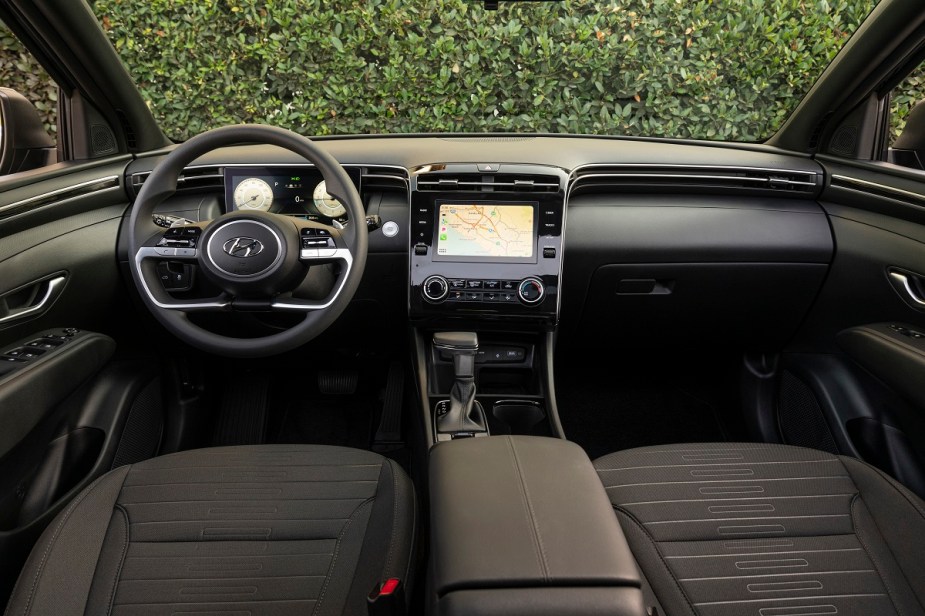
The Hyundai Santa Cruz arrives in two flavors, and like your salsa, they enchantment to people who like moderate or hot. The foundation version will make 191 horsepower, but you can stage up to the incredibly hot turbocharged four-cylinder and get a 281-horsepower model. That extra turbo, even though, will insert at minimum $7,000 to the base cost of your 2023 Hyundai Santa Cruz. So, it begs the concern, is the turbo worthy of it in a Hyundai Santa Cruz?

Is the turbo really worth it in the Hyundai Santa Cruz?
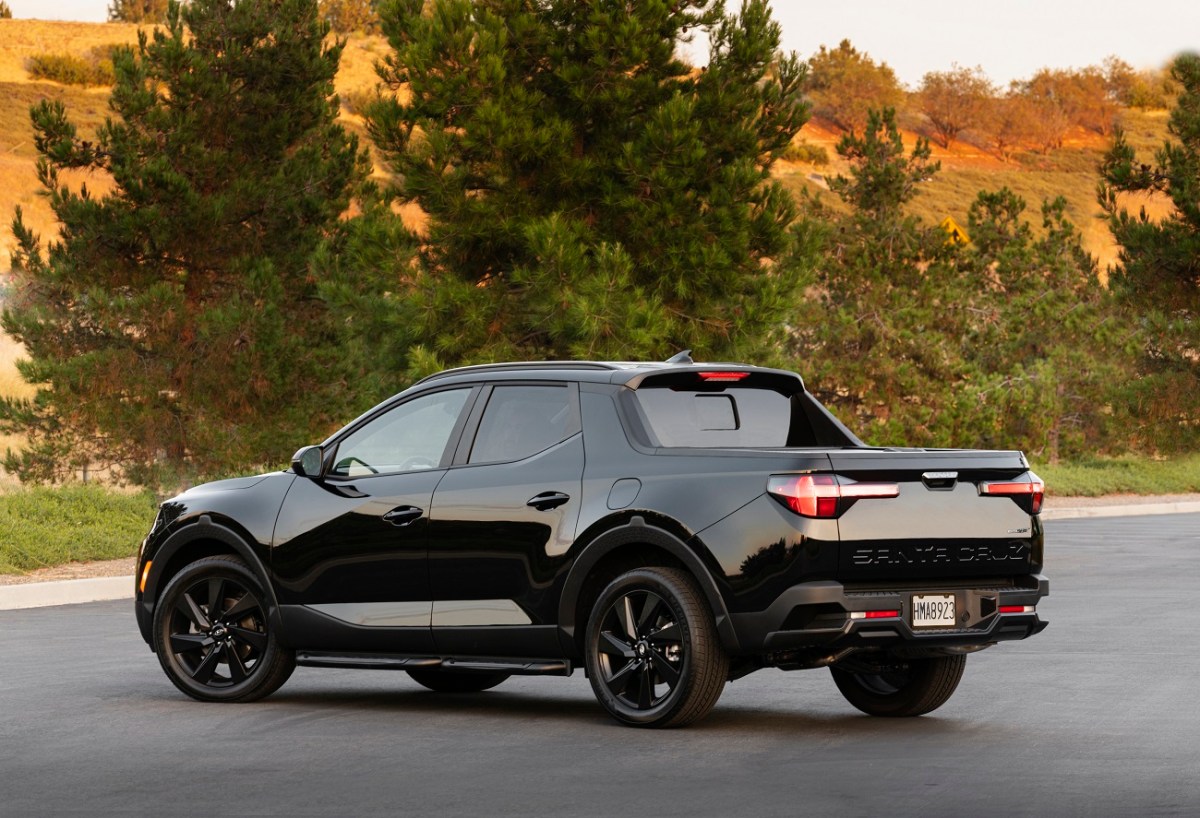
2023 Night Edition Hyundai Santa Cruz
2023 Santa Cruz Night Edition | Santa Cruz

The base edition of the 2.5L 2023 Santa Cruz will get a 191-horsepower 4-cylinder, even though the 2.5T variation receives a 281-horsepower variation with a turbo. Nevertheless, the base engine only will make 181 lb.-ft of torque, although the turbo tends to make an remarkable 311 lb.-ft, which helps with all-around-city driving and, crucially, towing and hauling. The foundation engine receives 22 MPG in city and 26 mpg highway, whilst you fork out a penalty for the turbo and it will get 19 mpg in town but 27 mpg on the highway.

2023 Hyundai Creta Facelift To Get 160 Hp Turbo Petrol Engine In India

2023 Hyundai Creta Facelift To Get 160 Hp Turbo Petrol Engine In India
&#13
&#13
&#13
&#13

2022 hyundai creta facelift
Indonesia-spec Hyundai Creta

2023 Hyundai Creta is predicted to go on sale sometime up coming calendar year in India with an all-new 1.5-litre turbocharged petrol motor making all over 160 hp

Hyundai Motor India Minimal (HMIL) will showcase the Ioniq 6 electric powered sedan at the 2023 Auto Expo in January. The next biggest vehicle producer in the state will announce the price ranges of the Ioniq 5 EV at the motoring display as perfectly. Much more cars and trucks are anticipated to be on screen but the official aspects have not been exposed however.

The possibilities of the new era Verna making its worldwide debut at the celebration are higher. We do count on Hyundai to start a host of new styles in the 2023 calendar year together with the facelifted Grand i10 Nios compact hatchback and the Aura compact sedan. As for the significant kinds, the greatly up to date version of the Creta midsize SUV is also a risk.

In the third or the final quarter of CY 2023, Hyundai will reportedly bring in an all-new micro SUV to contend in opposition to Tata Punch and it has presently been caught testing with structure things inspired by the Casper offered in the intercontinental marketplaces. The impending Creta facelift is also available on the world-wide scene with its style and design primarily based on the Sensuous Sportiness philosophy.

2022 Hyundai Creta Facelift-8

The front fascia will choose weighty inspiration from the new era Tucson launched a few months in the past in India. The seamless integration of the grille section and the new headlamps and up-to-date bumper will seize notice. Just one of the major highlights of the 2023 Hyundai Creta will be the inclusion of a larger turbocharged petrol engine.

The existing 1.4-litre T-GDI petrol mill is extensively utilized across Hyundai and Kia’s lineup. It develops 140 PS utmost electric power and 242 Nm of peak torque and is obtainable in the Hyundai Creta, Kia Seltos and Kia Carens. With more stringent emission specifications coming into enjoy by April 2023, the 1.4-litre turbo unit will be enable go in favour of a new 1.5-litre turbo petrol mill.

It will probable be extra strong than the outgoing motor as it could kick out around 160 hp greatest energy. It could be integrated with a delicate-hybrid technological know-how for enhanced fuel financial state. The upcoming Hyundai Creta and Kia Seltos facelifts are envisioned to retain the 1.5-litre 4-cylinder NA petrol able of 115 PS/144 Nm and the 1.5-litre turbo diesel creating 115 PS/250 Nm.

&#13

&#13
&#13

&#13
&#13
&#13
&#13

&#13
&#13

Huge 3.6L Four-Cylinder Claims 500 LB-FT With LS Head and a Turbo

Huge 3.6L Four-Cylinder Claims 500 LB-FT With LS Head and a Turbo

Numerous traditional 4-cylinder cars and trucks have so small overall performance potential that owners give up and swap their engines out for V8s. They may perhaps soon have an suitable four-banger efficiency choice, even though, as a 3.6-liter turbo four-cylinder has just debuted at the Efficiency Racing Industry demonstrate. It’s only a strategy for now, but its creator is listening to so much demand from customers that it’s creating a checklist of possible clients.

Demonstrated off by crate engine manufacturer Blueprint Engines, this tremendous four-banger is supposedly able of making 340 horsepower and a entire 500 pound-toes of torque with a modestly sized turbo. By comparison, the subsequent-closest motor in a output vehicle—the Chevy Silverado’s turbo 2.7L—produces 310 hp and 430 lb-ft. It tends to make a full 35 lb-ft far more than the 6.2-liter V8 in the C8 Chevy Corvette, with only 50 percent as several cylinders and just above 50 {49e09b23eae7466ccc7574c19ebb3019301c9a11d2999feff81a3526451546a5} the displacement.

Though Blueprint’s social media describes this engine as currently being primarily based on an LS V8, a call to the firm discovered which is not very the situation. It only takes advantage of cylinder heads from the LS, as it is basically an adaption of an industrial motor generated by Blueprint’s professional division, Origin Engines. That edition of the lump takes advantage of heads from Ford’s 302 V8. A single of its principal works by using is in turbines from a massive manufacturer—Blueprint isn’t allowed to disclose its latest clients—which is why it tends to make so a lot electrical power at lower revs: 1,800 rpm, according to the Blueprint rep I talked to.

That’d also most likely be a constant power rating, not peak, indicating max ability might be noticeably greater. On prime of that, which is with a camshaft tuned for generator use a car or truck-oriented cam could supply a broader power band and elevated peak electrical power.

Origin Engines 3.6-liter. Origin Engines

Just before you get energized to purchase just one of these for your hot rod project, you really should know that Blueprint only considers this a idea engine at current. The motor shown at the PRI demonstrate is not a runner, and no operating edition has been engineered. But Blueprint also says the suggestions it has gotten proves there’s a industry for this motor.

A consultant explained to me they have gained 30 phone calls about it considering the fact that the electrical power plant’s reveal, while Blueprint’s social media claims men and women have shared tons of tips for how they’d use one—in pontoon boats, midget race automobiles, Chevy S10s, basic Jeeps, and so on. It’d also be suitable for old sports cars and trucks with huge 4-cylinders, like the Mitsubishi Starion with its 2.6-liter, or the Porsche 944, which received as significant as 3. liters.

You will find no guarantee this motor will at any time be built and marketed, but Blueprint manufactured apparent that folks are interested. If you are, it would not hurt to ring ’em up and make absolutely sure they know you want just one too.

Got a idea or concern for the author? You can achieve them here: james@thedrive.com

Twin-Turbo Hurricane I-6 Motor Can Achieve 24 MPG On HWY In Wagoneer 4×2!

Twin-Turbo Hurricane I-6 Motor Can Achieve 24 MPG On HWY In Wagoneer 4×2!

Reducing greenhouse gas emissions is one part of Stellantis’ commitment to cut its carbon footprint by 50{49e09b23eae7466ccc7574c19ebb3019301c9a11d2999feff81a3526451546a5} by 2023 and to lead the transportation industry by achieving ‘Net Carbon Zero’ by 2038. These goals are key elements of the automaker’s Dare Forward 2030 strategic plan.

2023 Jeep® Wagoneer L Series II Carbide. (Jeep).

The introduction of the all-new twin-turbocharged 3.0-liter Hurricane I-6 engine lineup delivers more horsepower, more torque, and less emission than many of its competitor’s naturally-aspirated V-8 and boosted V-6 engines.

While the engine isn’t replacing the HEMI options in the standard-wheelbase completely, Stellantis is using the new Hurricane engines to help reduce their greenhouse gas emissions. When compared to the HEMI offerings already in the Wagoneer / Grand Wagoneer, the Hurricane engines can be up to 15{49e09b23eae7466ccc7574c19ebb3019301c9a11d2999feff81a3526451546a5} more efficient than larger engines.

Twin-turbocharged 3.0-liter Hurricane I-6 S.O. engine. (Jeep).

When first announced, Jeep® stated that both variants of the Hurricane engines would return an estimated 1 to 2 MPG combined-rating improvement compared to the existing HEMI engines. The official 2023 U.S. Environmental Protection Agency (EPA) fuel economy rating for the standard-wheelbase Wagoneer / Grand Wagoneer and their “L” variants, would confirm the notion. Looking below, you can see how the EPA numbers for all of the powertrain variants lineup for the 2023 model year.

HEMI vs Hurricane MPG
Model Engine Horsepower/Torque Recommended Fuel City MPG Hwy MPG Combined MPG
2023 Jeep Wagoneer (4×2) 5.7-liter HEMI V8 w/ eTorque 392 hp / 404 lb.-ft. Unleaded mid-grade, 89 octane (R+M)/2 16 MPG 22 MPG 18 MPG
2023 Jeep Wagoneer (4×4) 5.7-liter HEMI V8 w/ eTorque 392 hp / 404 lb.-ft. Unleaded mid-grade, 89 octane (R+M)/2 15 MPG 20 MPG 17 MPG
2023 Jeep Wagoneer (4×2) TT 3.0-liter Hurricane I6 (SO) 420 hp / 468 lb.-ft.  Unleaded mid-grade, 89 octane (R+M)/2 17 MPG 24 MPG 20 MPG
2023 Jeep Wagoneer (4×4) TT 3.0-liter Hurricane I6 (SO) 420 hp / 468 lb.-ft.  Unleaded mid-grade, 89 octane (R+M)/2 16 MPG 23 MPG 19 MPG
2023 Jeep Wagoneer L (4×2) TT 3.0-liter Hurricane I6 (SO) 420 hp / 468 lb.-ft.  Unleaded mid-grade, 89 octane (R+M)/2 17 MPG 24 MPG 20 MPG
2023 Jeep Wagoneer L (4×4) TT 3.0-liter Hurricane I6 (SO) 420 hp / 468 lb.-ft.  Unleaded mid-grade, 89 octane (R+M)/2 16 MPG 23 MPG 19 MPG
2023 Jeep Grand Wagoneer (4×4) 6.4-liter HEMI V8 471 hp / 455 lb.-ft.  Premium 91 octane (R+M)/2 13 MPG 18 MPG 15 MPG
2023 Jeep Grand Wagoneer (4×4) TT 3.0-liter Hurricane I6 (HO) 510 hp / 500 lb.-ft.  Premium 91 octane (R+M)/2 14 MPG 20 MPG 17 MPG
2023 Jeep Grand Wagoneer L (4×4) TT 3.0-liter Hurricane I6 (HO) 510 hp / 500 lb.-ft.  Premium 91 octane (R+M)/2 14 MPG 19 MPG 16 MPG

“As Stellantis aims to become the U.S. leader in electrification, with a 50{49e09b23eae7466ccc7574c19ebb3019301c9a11d2999feff81a3526451546a5} battery-electric vehicle (BEV) sales mix by 2030, internal combustion engines will play a key role in our portfolio for years to come and we owe it to our customers and the environment to provide the cleanest, most efficient propulsion possible,” said Micky Bly, Stellantis Head of Propulsion Systems. “The Hurricane twin-turbo is a no-compromise engine that delivers better fuel economy and an important reduction in greenhouse gases without asking our customers to give up performance.”

Twin-turbocharged 3.0-liter Hurricane I-6 H.O. engine. (Jeep).

If you are a Wagoneer/Grand Wagoneer (WS) owner or potential owner, be sure to check out our sister site WagoneerForums.org. There you can join over 1,200 owners of the new Wagoneer models, read the latest information, news, and rumors about the all-new Wagoneer, and even communicate with Wagoneer Client Services. 

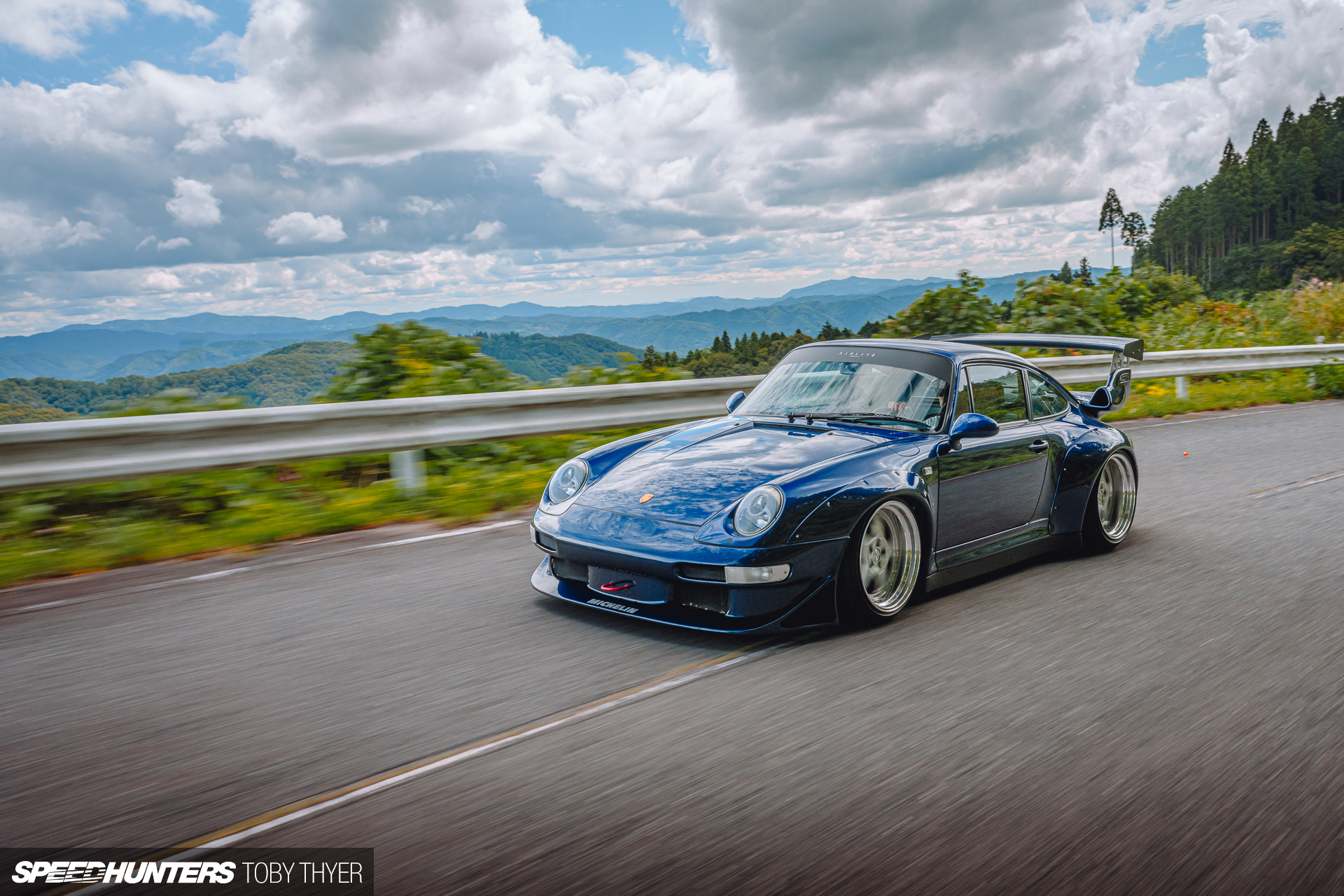
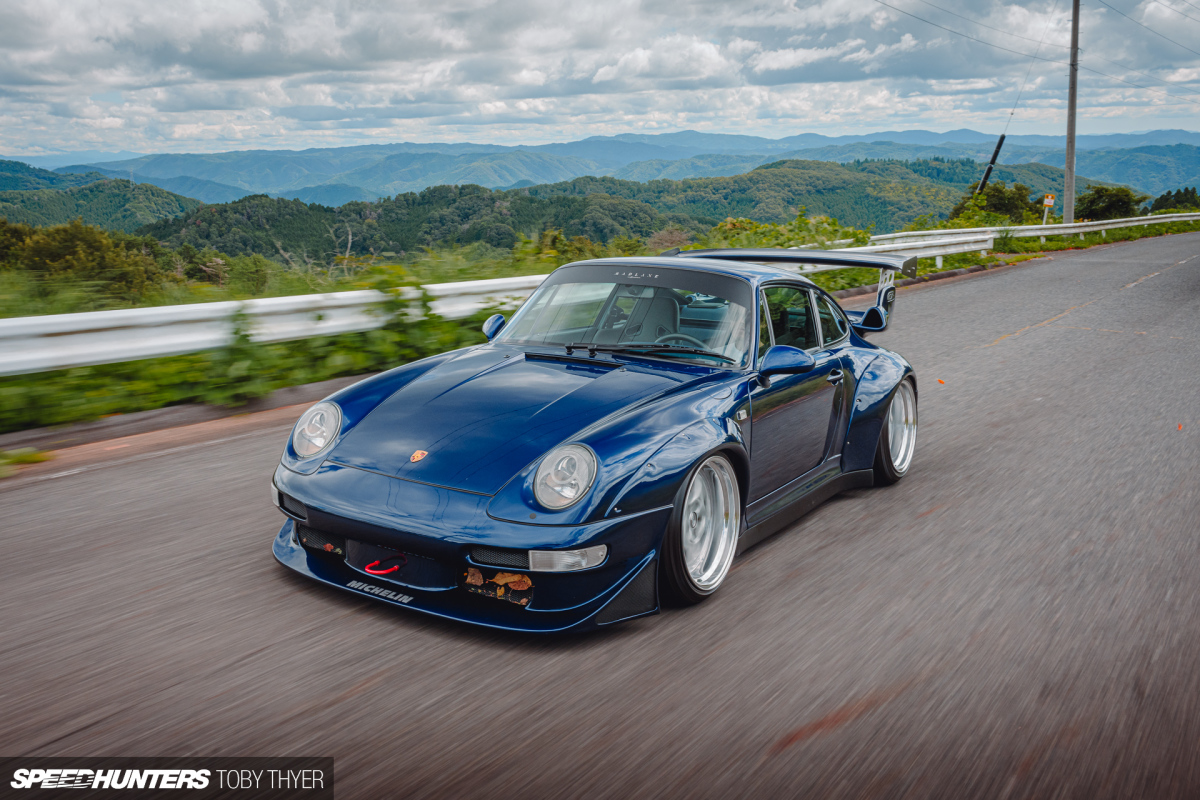
The Madlane 993 Turbo GT2 Mash-Up

The Madlane 993 Turbo GT2 Mash-Up

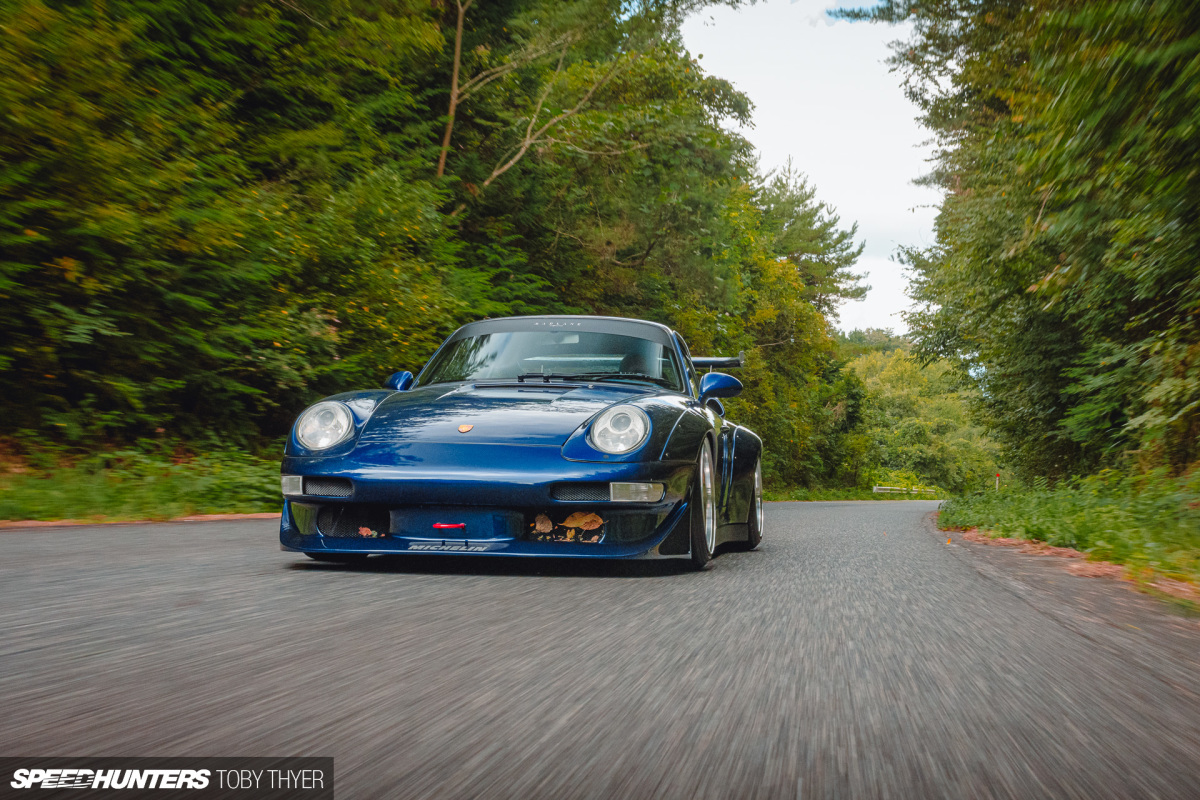
Not all of us are lucky enough to drive the real deal, but some of us get pretty close.

The Porsche 993 GT2 was a car embellished with firsts and honoured with lasts. It was a car that showcased the height of the Porsche design team’s efforts to tame the rear-engine catapult that was the 911 in all its unruly character. It was a car that borrowed race car technology from the ineffable 959, and was also the car that signalled the end of the Porsche air-cooled flat-six era.

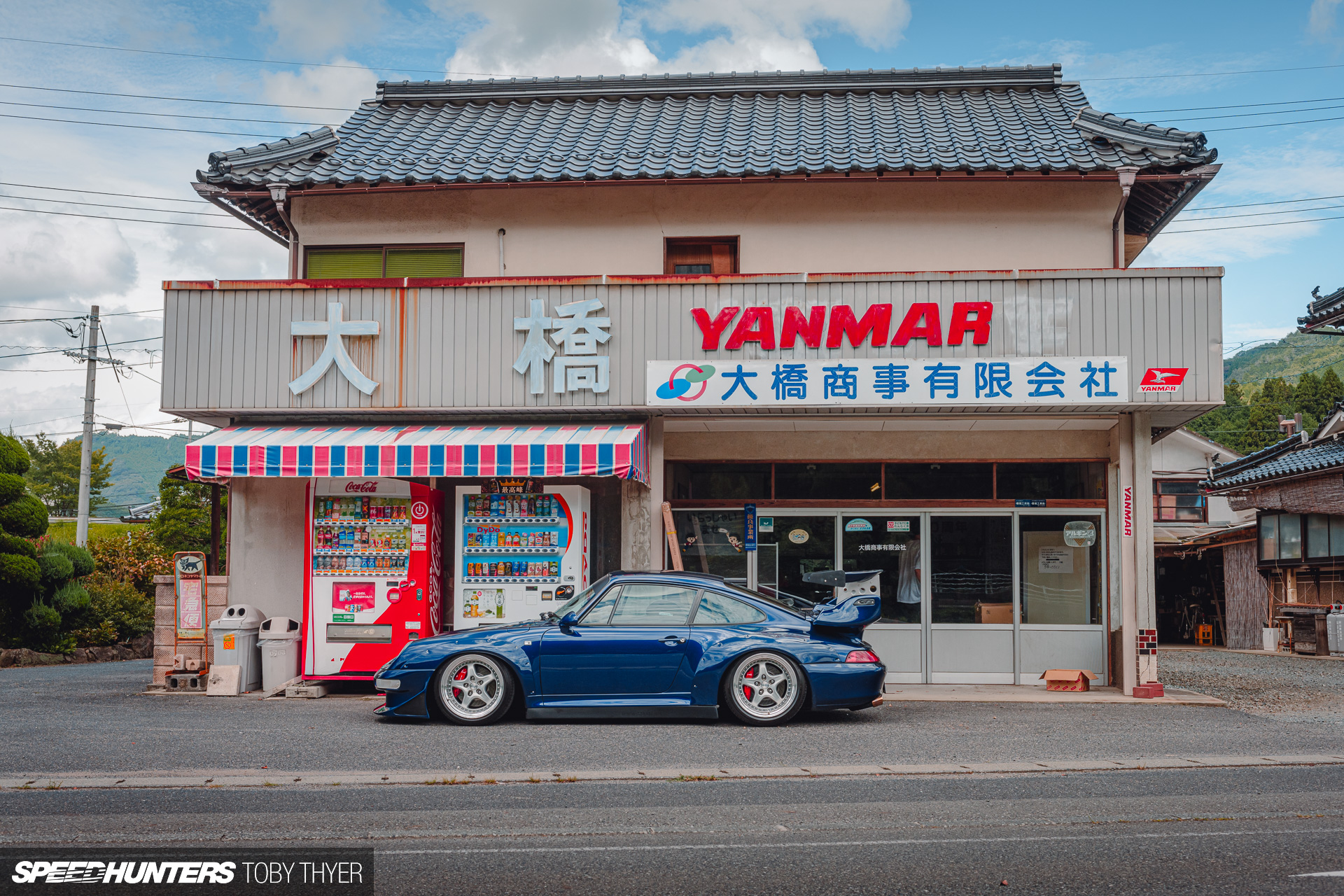
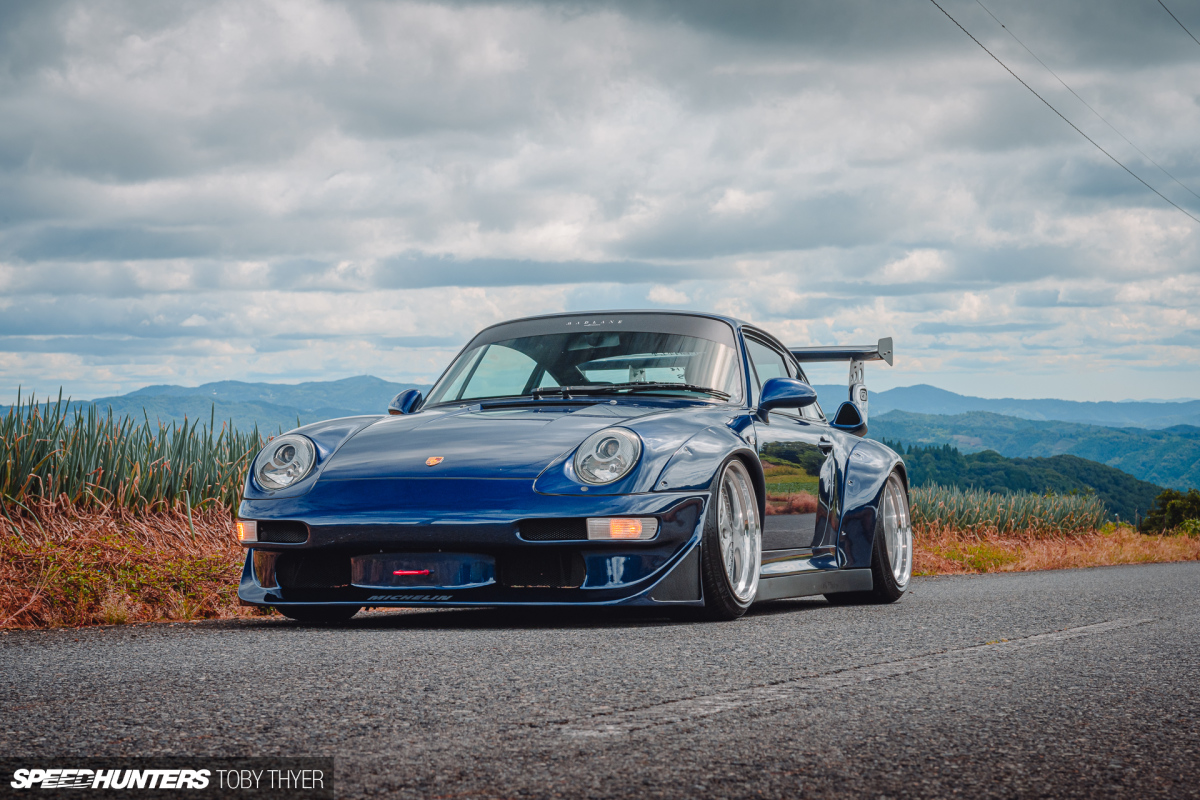
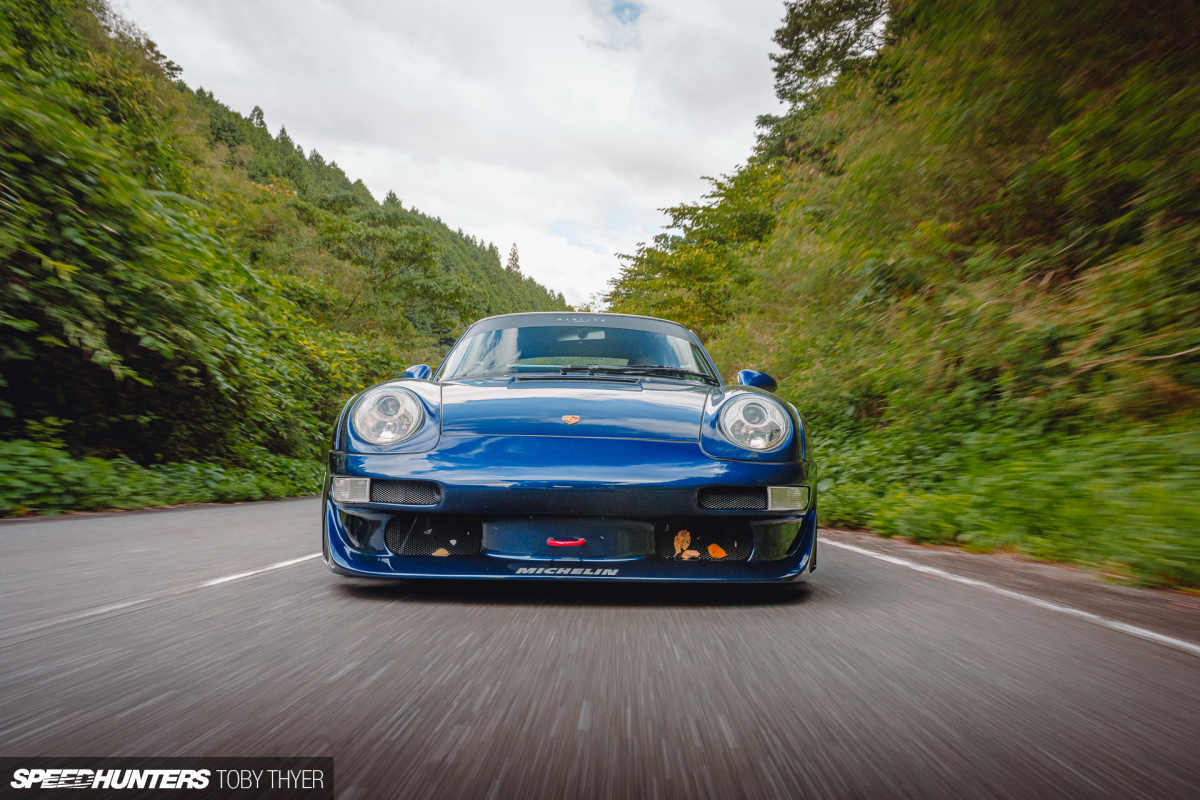
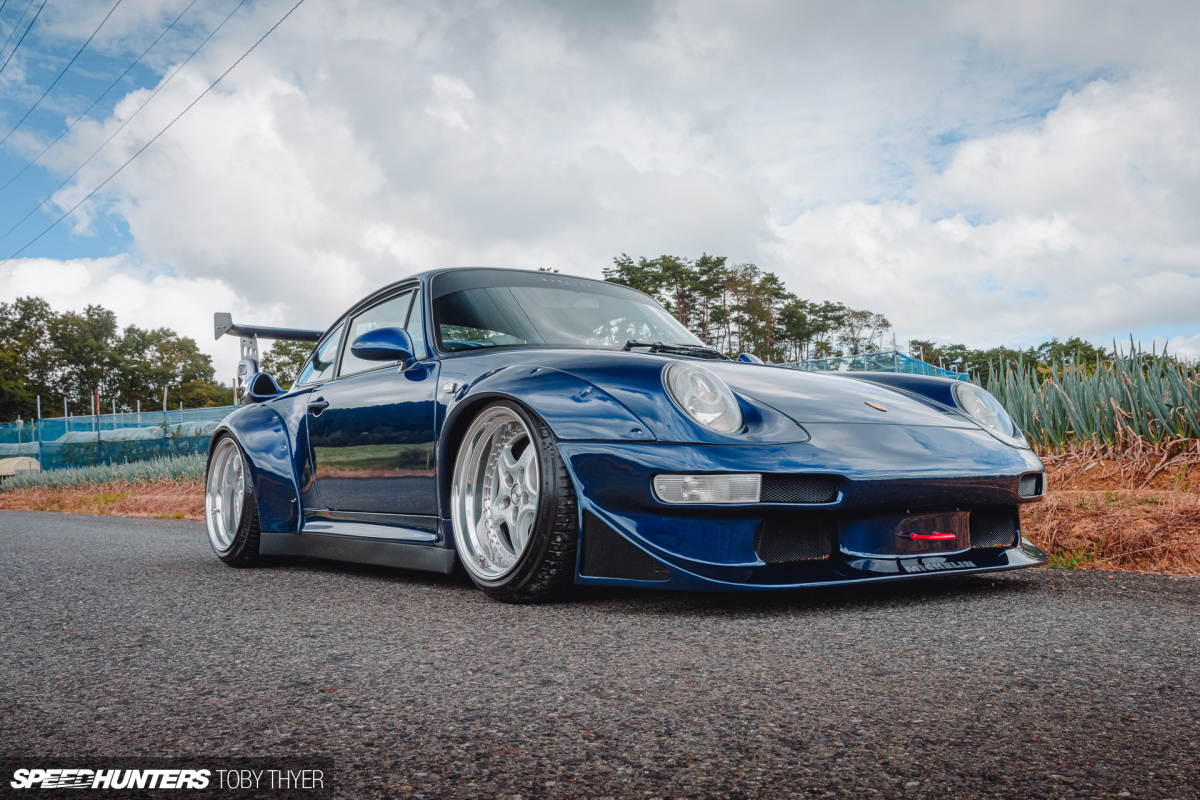
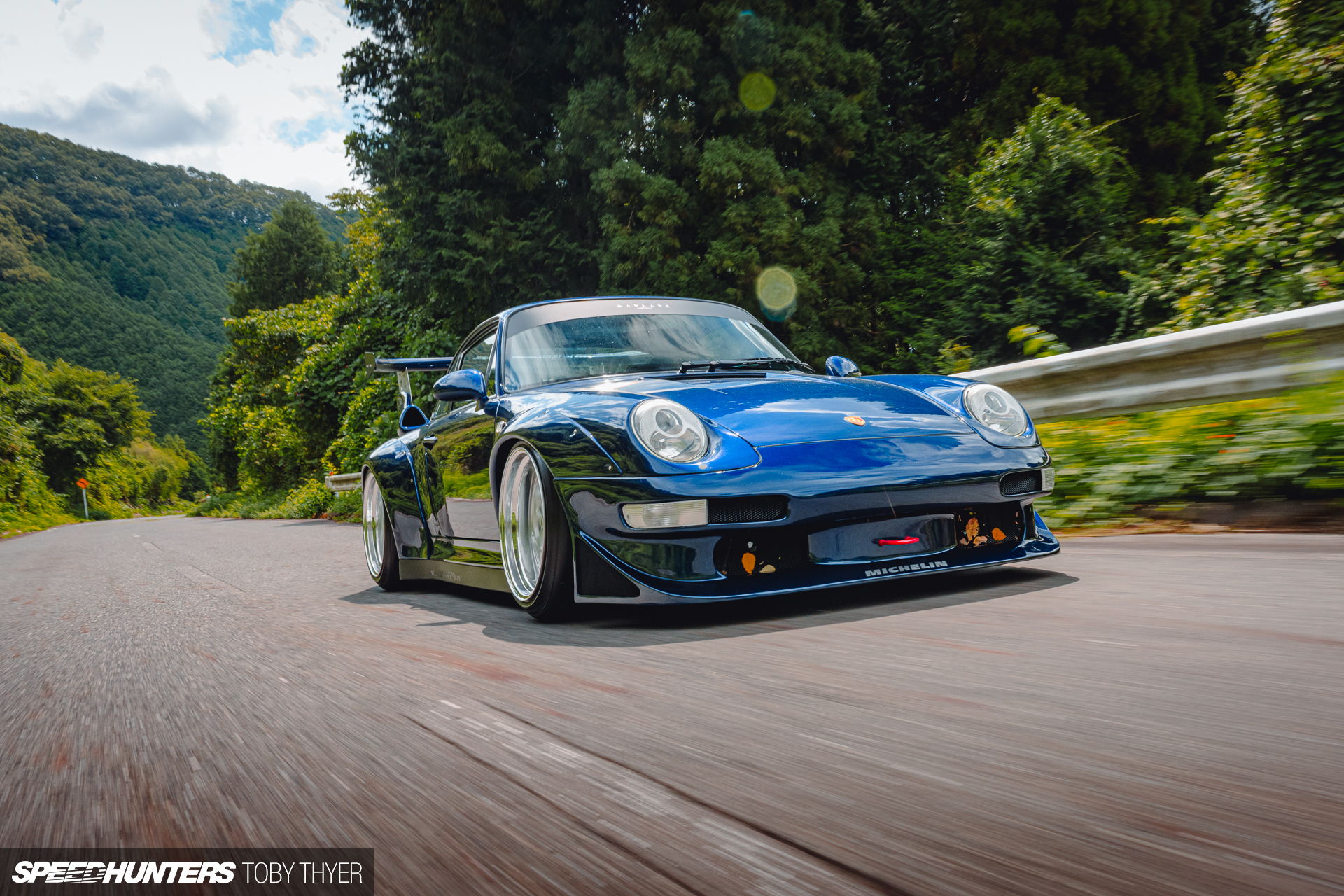
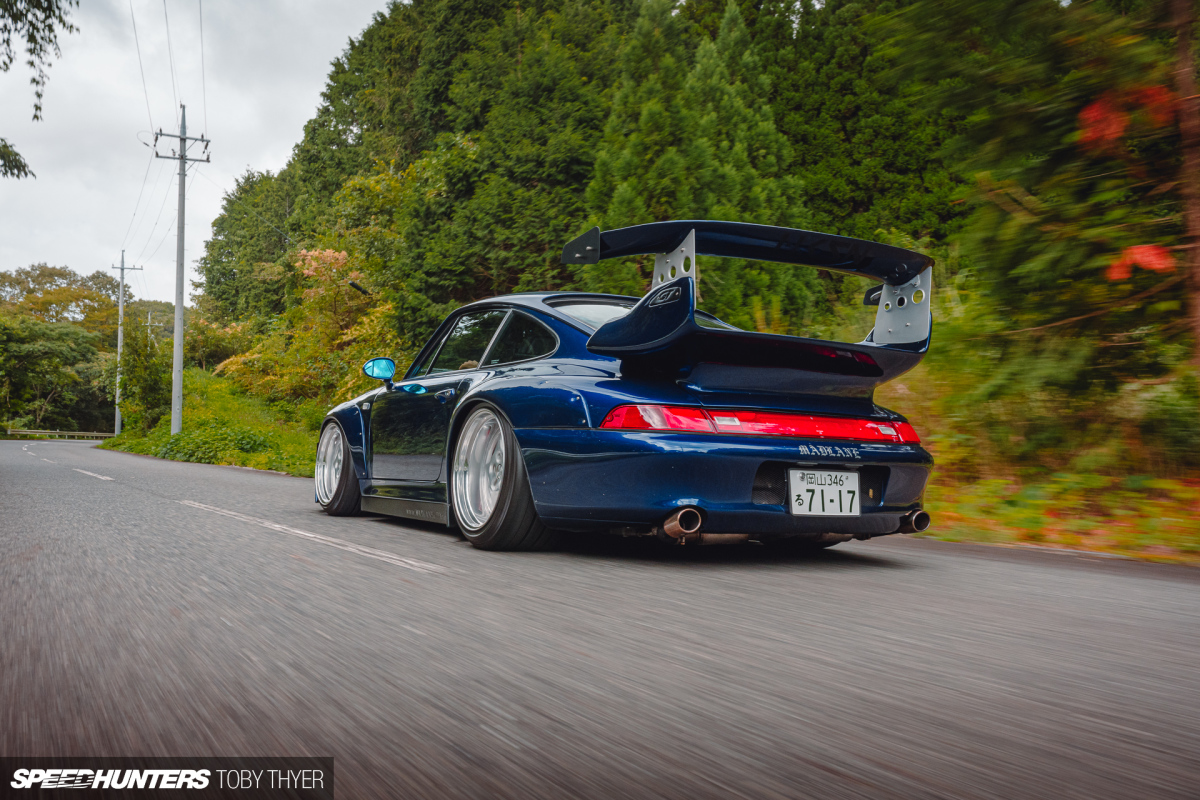
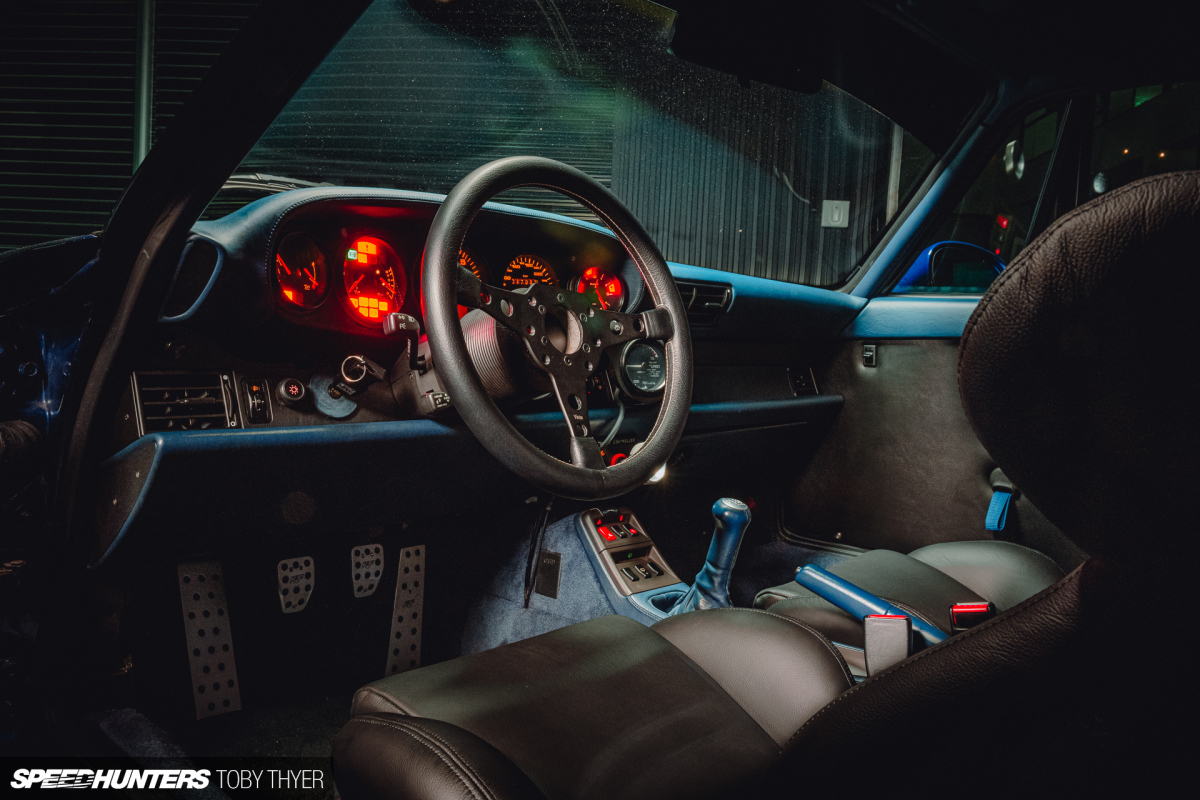
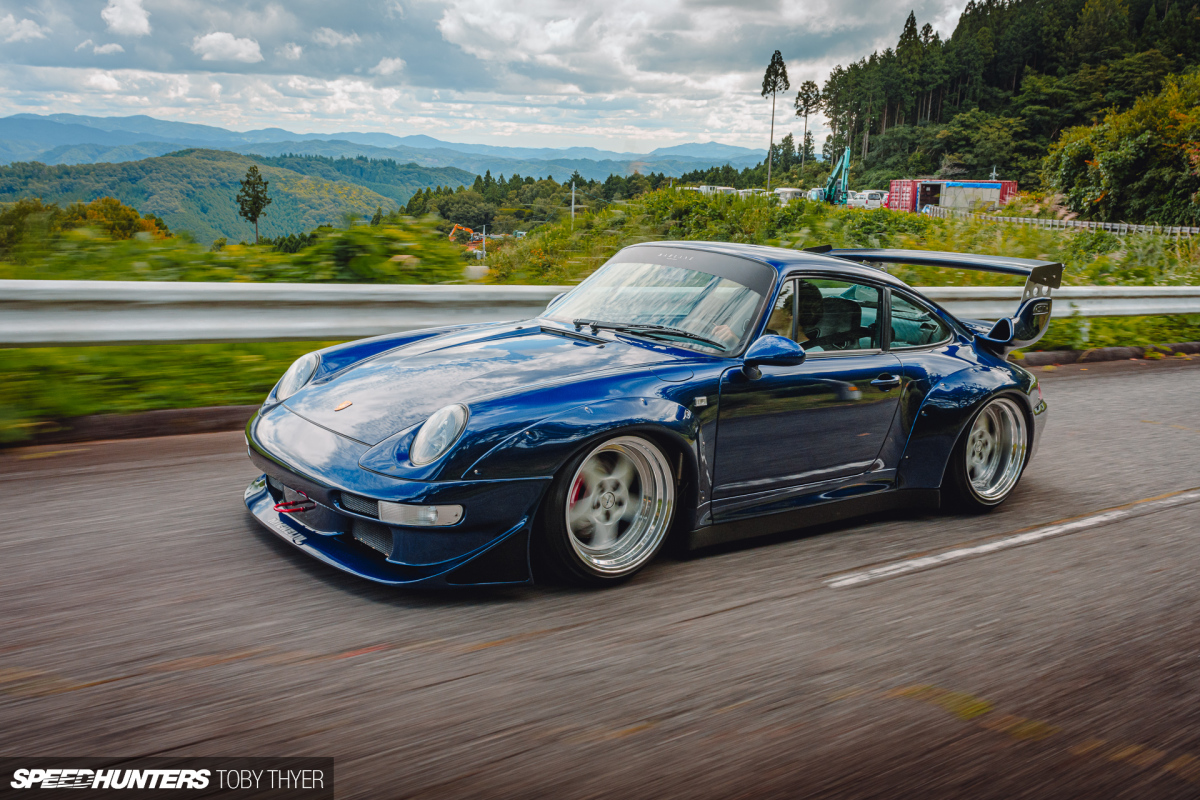
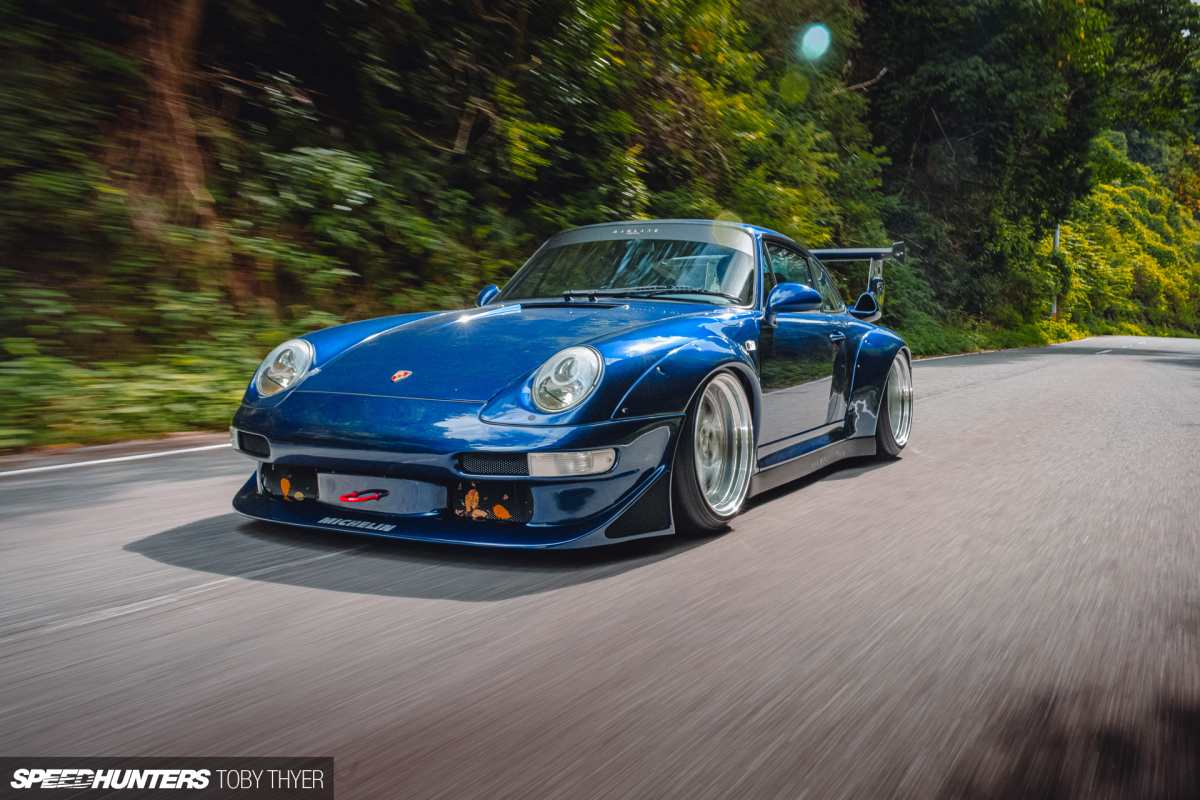
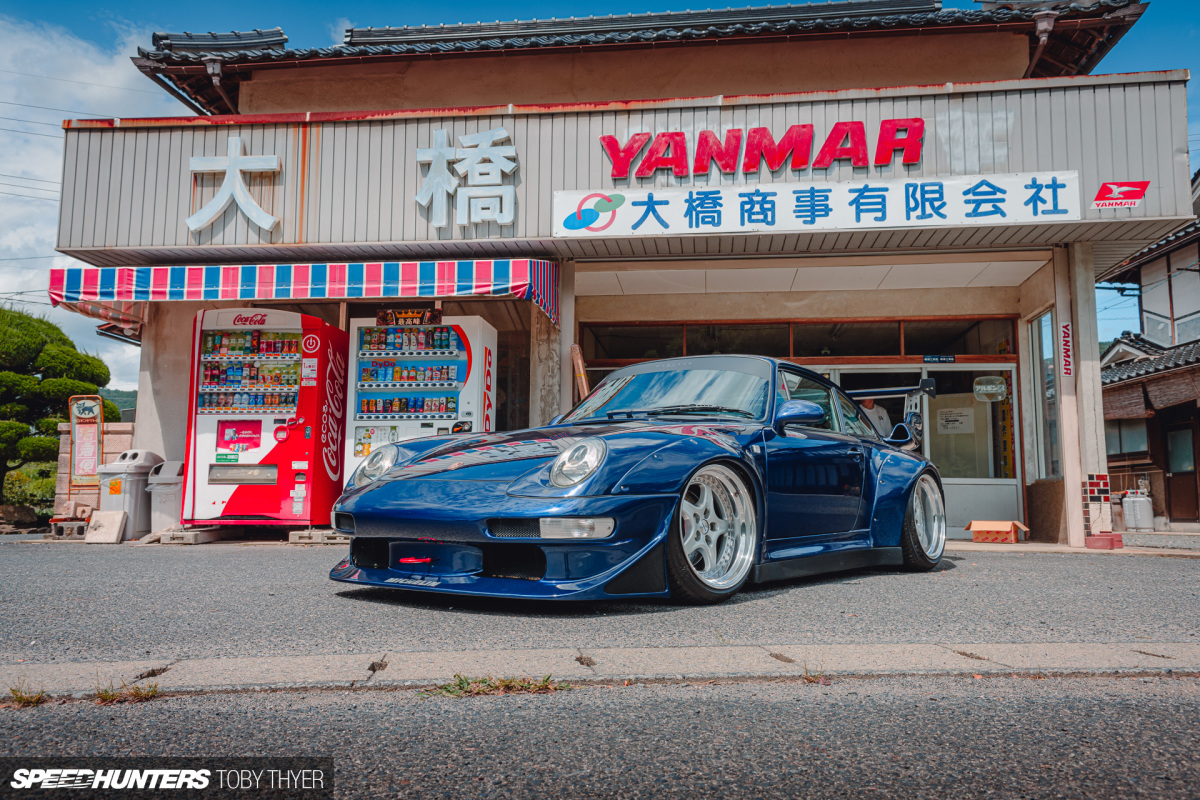
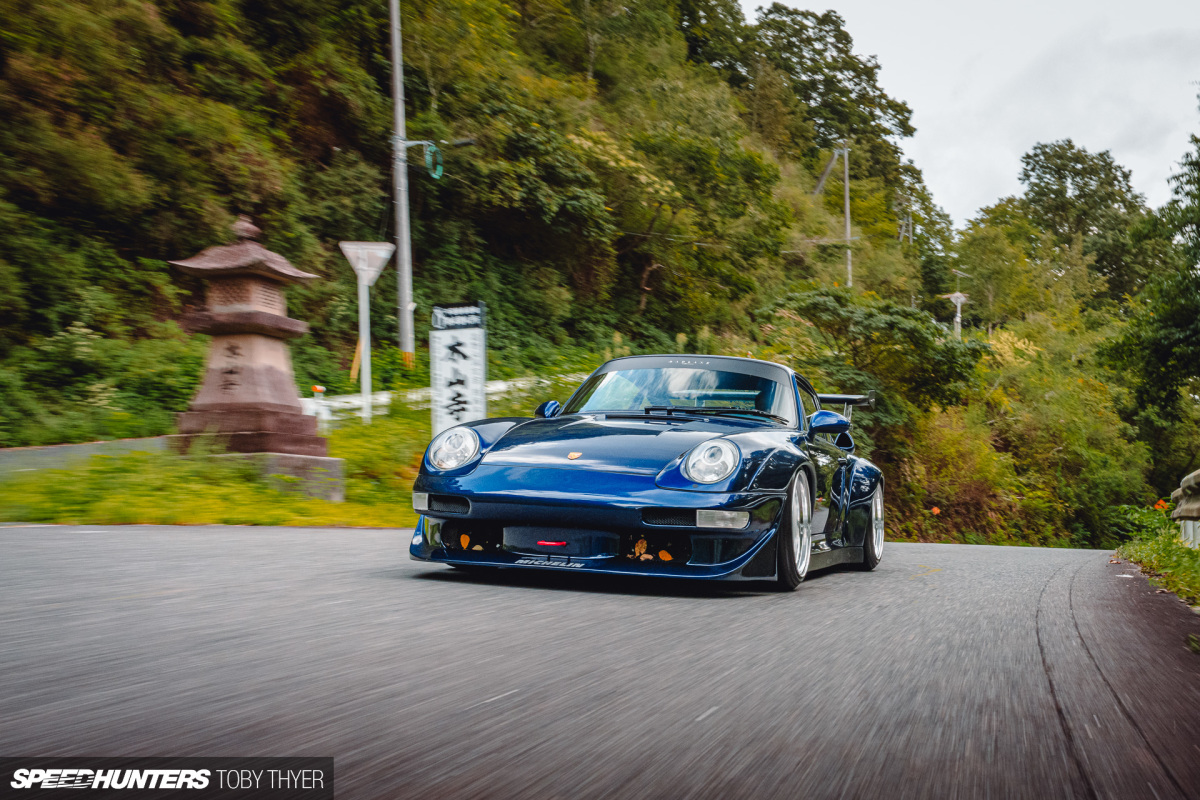
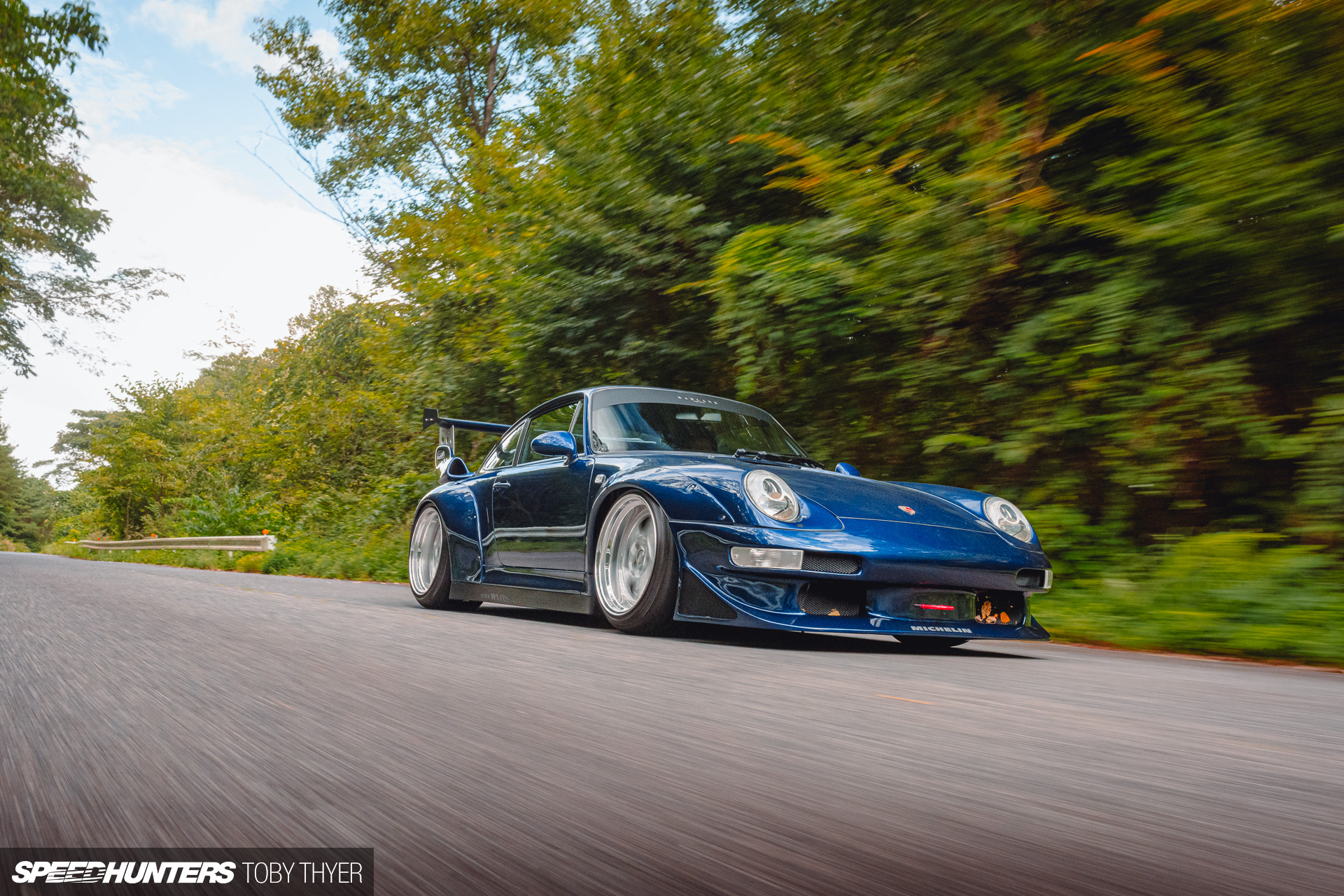
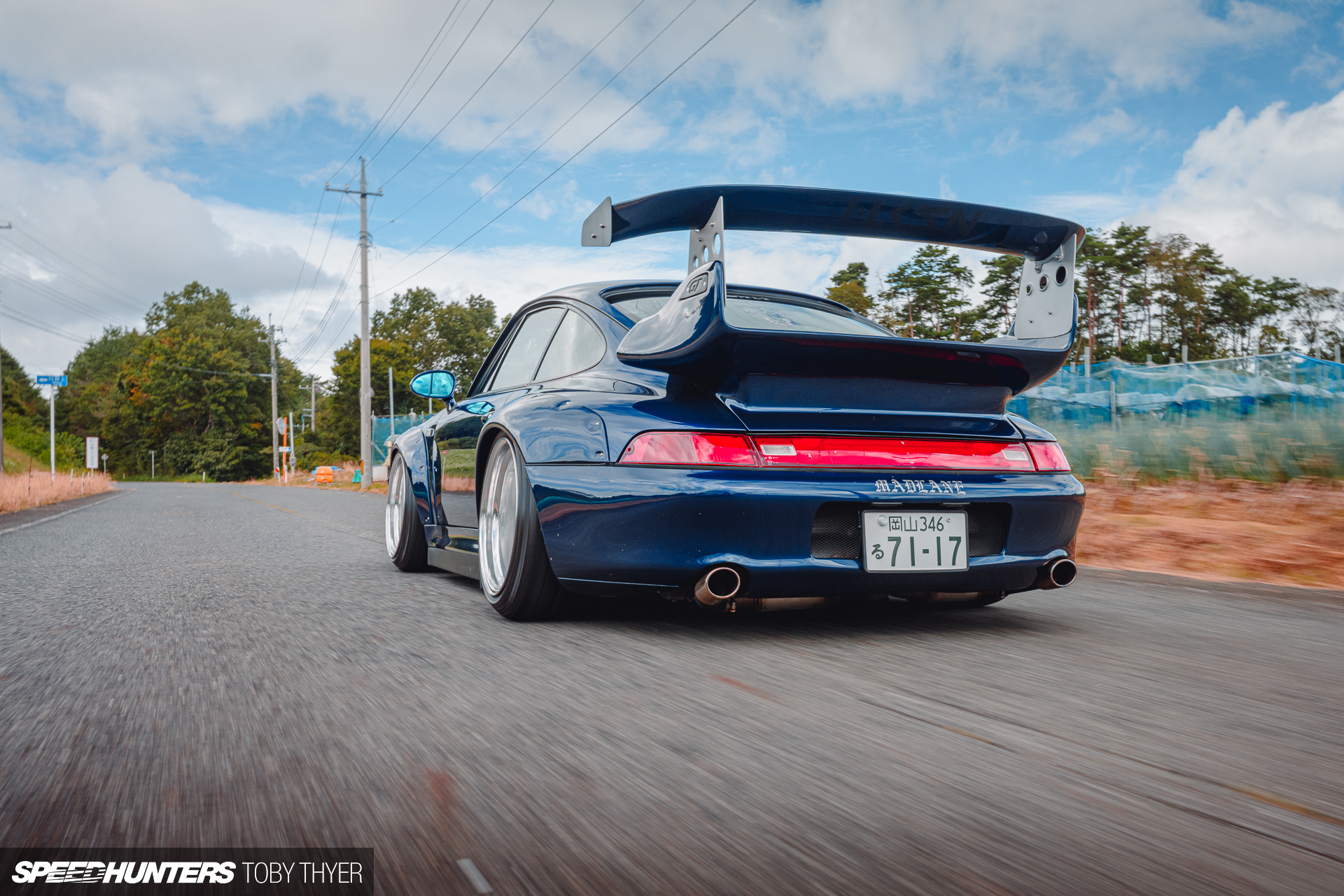
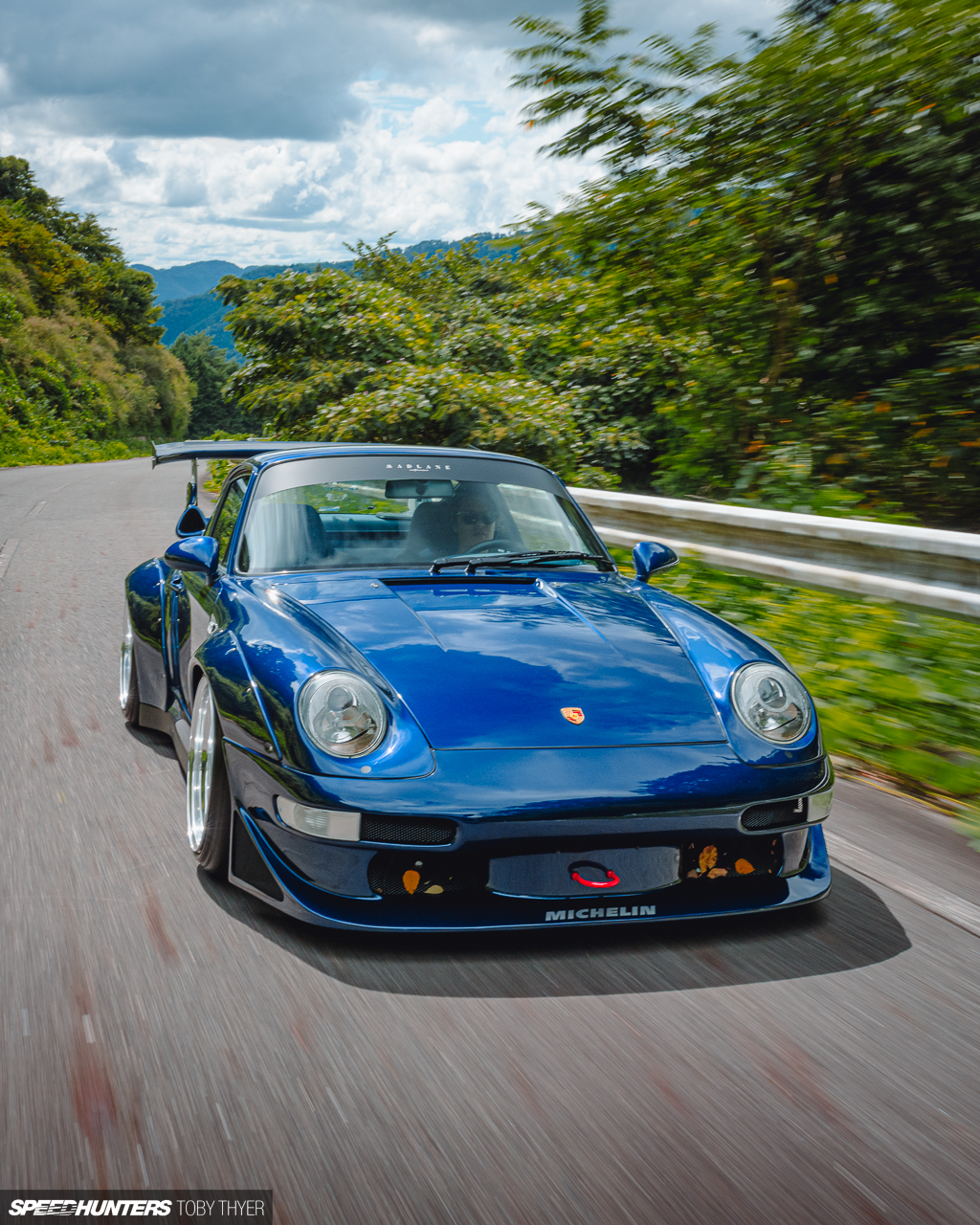
This is not a 993 GT2, but a lowly 993 Turbo, for which I would still offer my first born child. It was put together at the Madlane workshop in Okayama, and in some ways it is better than the car it’s modelled off. Let me explain why…

Toby_Thyer_Photographer-2

The 993 series was released back in 1995, and unlike previous versions of the 911, this time around Porsche designed 80{49e09b23eae7466ccc7574c19ebb3019301c9a11d2999feff81a3526451546a5} of the car from scratch. Of the many revisions and improvements, some of the biggest changes made were to the suspension and driveline. An all new multi-link suspension system made from lightweight alloy was essential support for the all-wheel drive system taken from the 969. This was the first 911 to send power to all four wheels.

Toby_Thyer_Photographer-10
Toby_Thyer_Photographer-6

The GT2, in accordance with FIA race regulations at the time and thanks to dominating grip monsters like the Audi Quattro and Nissan Skyline GT-R, did away with the AWD system. But for both the road and track, I know what I would rather have…

Toby_Thyer_Photographer-7

What the Turbo gains in weight it makes up for with extra front-end grip to smooth out the oversteer that had given previous Porsches such… character. Thankfully, this one retains the innovative AWD system.

GT2: 0, Madlane Turbo: 1.

Toby_Thyer_Photographer-8

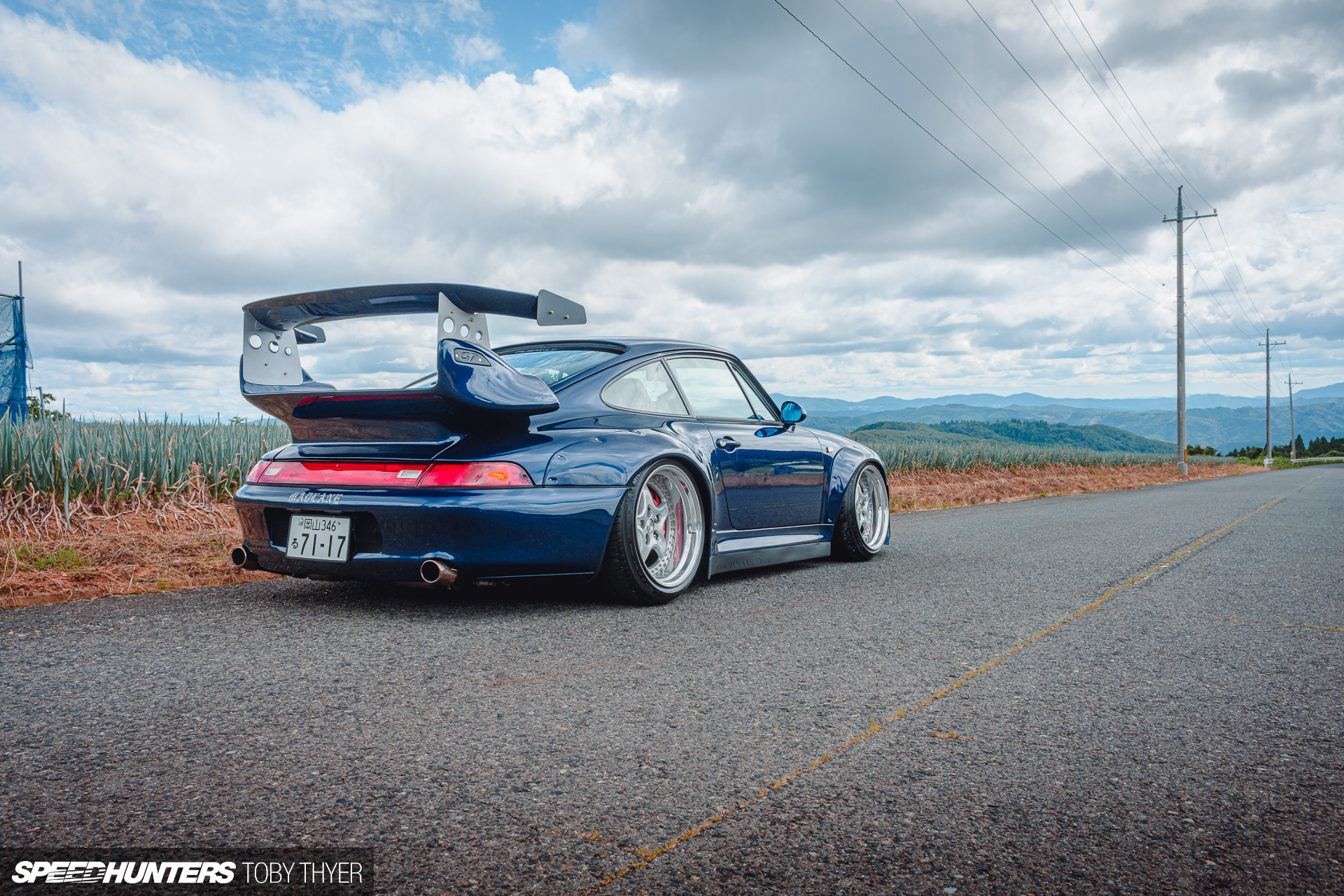
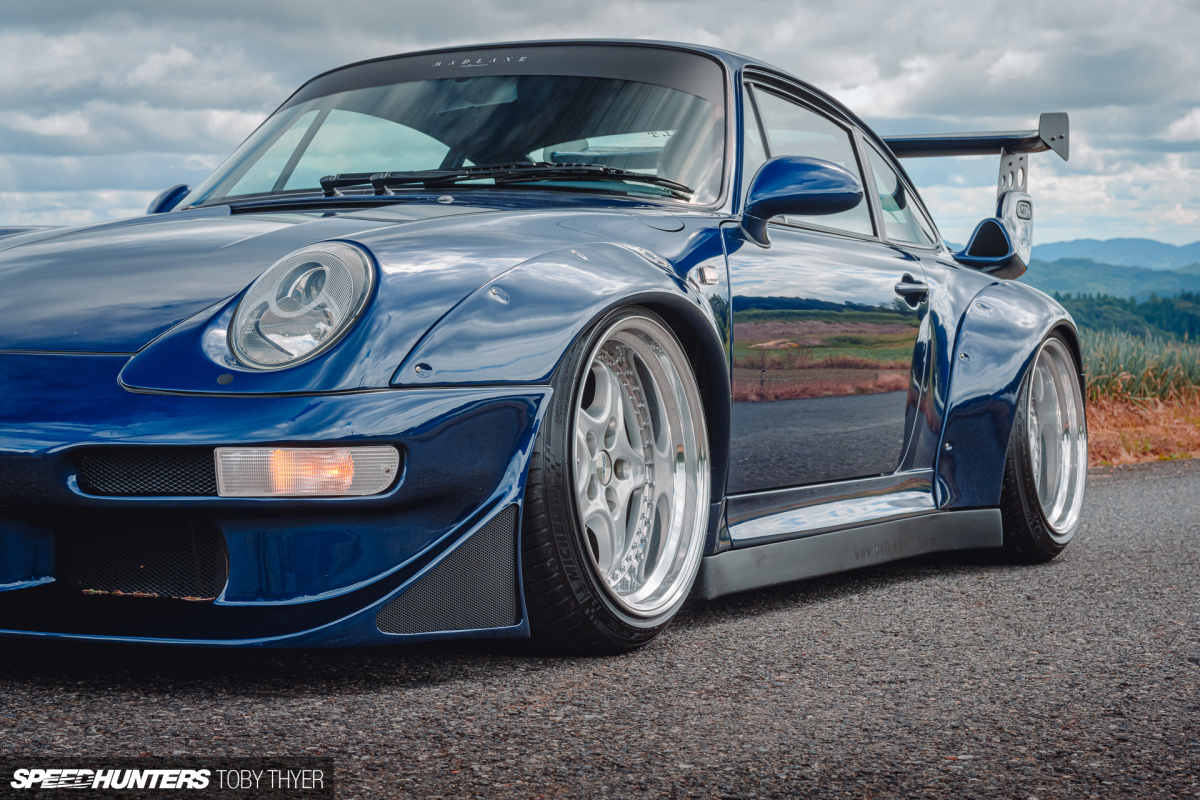
Another thing that sets the GT2 apart from the run-of-the-mill Turbo 993 is the widened track – 46mm wider at the rear to be exact. Housing all that extra width, the GT2 had its fenders cut off and replaced with plastic bolt-on overfenders.

Madlane’s interpretation of the GT2 has a full carbon fibre kit including arches and front and rear bumpers. We all know carbon fibre is better than plastic, so GT2: 0, Madlane Turbo: 2.

Toby_Thyer_Photographer-29
Toby_Thyer_Photographer-14

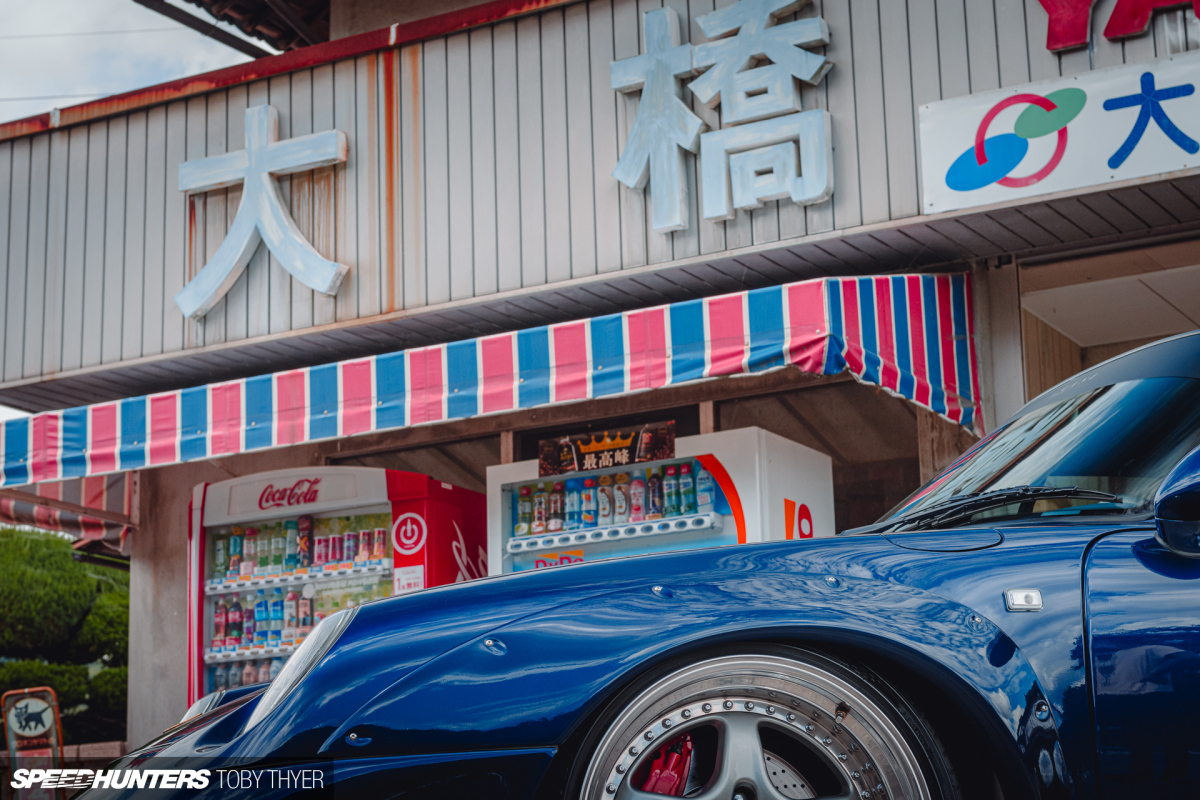
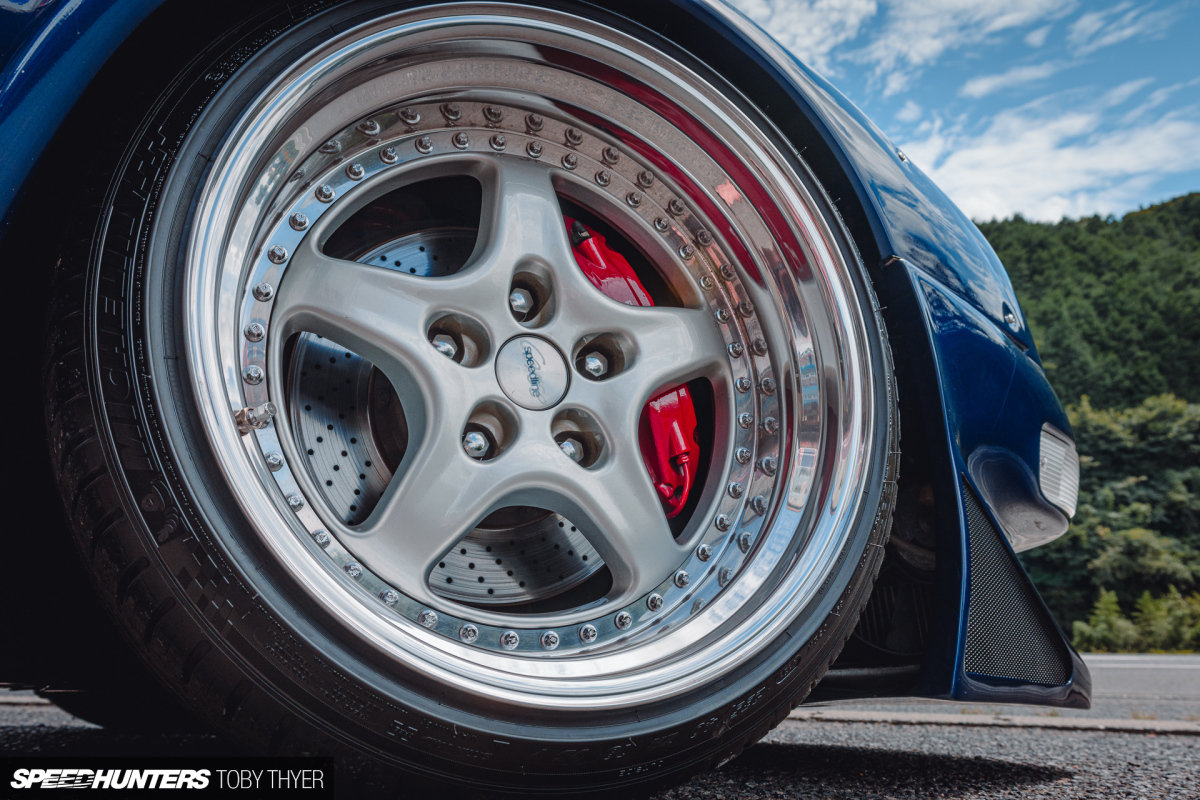
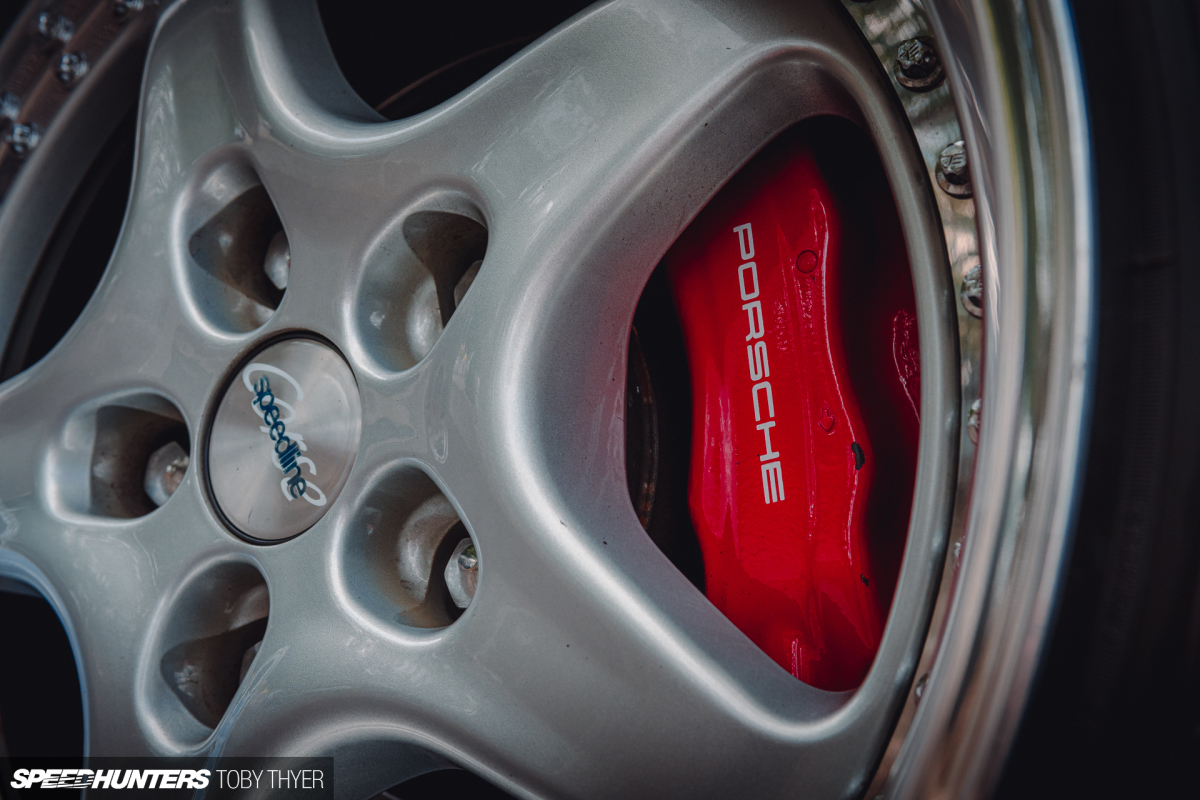
Another first for the 993 Turbo was the offering of lightweight hollow-spoke alloy wheels, undoubtedly iconic in their own right. However, if you’re familiar with Madlane’s creations then you’ll know that Kazuki-san has a bit of a wheel fetish. For this build, he’s chosen custom-built, three-piece Speedlines.

Toby_Thyer_Photographer-18
Toby_Thyer_Photographer-15

On a mechanical level, the GT2 and Turbo models had basically the same 3.6L air-cooled boxer engine with the GT2 getting an extra 50PS bump from its tune and turbo system. Kazuki-san has managed to source a GT2 ECU which takes care of that.

To complete the GT2 package, this Turbo has had its turbos replaced with the Kühnle, Kopp & Kausch turbos from a GT2. Are you keeping track of how many times I’ve mention turbos so far?

Toby_Thyer_Photographer-20
Toby_Thyer_Photographer-23

Funnily enough, the air-cooled engine found in the 993 an almost entirely new design. It was a kind of last hoorah, the swan song of the air-cooled flat-six. Ultimately, the efficiency and power gains which water-cooling enabled would open the door for ultimate German combustion. It wasn’t perfect on the first try, but after a few revisions of some faulty designs, the foundation was laid for all the 911 monsters that have followed.

Air-cooled purists will of course tell you that there is nothing like the sound and feel of a classic luftgekühlt Porsche. But they’re probably the same people who only wear lambswool or only ride penny-farthing bicycles. There’s no real benefit, other than it being unique.

Toby_Thyer_Photographer-31
Toby_Thyer_Photographer-28

All of our favourite cars have had to evolve and go through various generations, some more popular than others. Probably the most desirable models are the cars which were the first or last to introduce some feature. The cars which sat at the cusp of these transitions seem to be the ones that people love; they give us just enough of the old stuff we love with the benefits of the new stuff we need. They also tend to be the models which can have the stuff we don’t like, easily swapped for the stuff we want from the new kid on the block.

Messing around with cars is the best.

Toby_Thyer_Photographer-30

This is what I love about car culture – taking a classic and adding a few tasteful improvements in the right places to make it shine. I truly believe that ‘built not bought’ is a philosophy well worth having tattooed across the chest of every car enthusiast. Or maybe a bumper sticker is more sensible…

Toby Thyer
Instagram _tobinsta_
tobythyer.co.uk

Ferrari admits early unreliability forced F1 engine power drop

Ferrari admits early unreliability forced F1 engine power drop

Ferrari admits it was pressured to “lower the power” of its System 1 engine through the 2022 year, subsequent quite a few failures experienced in the early element of the campaign.

The workforce endured catastrophic engine failures in three of the six races held from May’s Spanish Grand Prix – the place Charles Leclerc retired from the direct – and July’s Austrian GP – in which Carlos Sainz’s car or truck caught fire.

Leclerc’s motor also unsuccessful during June’s Azerbaijan GP, which then forced him to start from the back in Canada many thanks to demanding a new energy device and busting his permitted allocation ahead of the season had achieved halfway.

The Ferrari motor runs a more compact turbo than major rivals Mercedes and Honda, which gives Ferrari an edge underneath acceleration but involves the components to operate at a greater velocity to match their electricity output.

Group principal Mattia Binotto admitted Ferrari decreased the pace at which its engine’s turbo ran through October’s Mexican GP, owing to the slender air at high altitude putting components in hazard of failure presented all turbos need to have to get the job done more difficult to produce their regular output in these types of ailments. This price tag the crew major performance and meant it was caught in no man’s land involving Crimson Bull/Mercedes at the entrance and F1’s midfield.

Subsequent the season finale in Abu Dhabi, where Ferrari beat Mercedes and Leclerc finished second to Max Verstappen, Binotto also admitted Ferrari “had to marginally reduce the power” of its engine next those early-time failures.

This, together with weak tyre management and a lack of in-year improvement, aids clarify why Ferrari’s title challenge to Pink Bull disintegrated from the Hungarian GP onwards.

Binotto, whose personal posture at the helm of the Scuderia is probably less than risk this winter amid rumours he will be changed by Alfa Romeo’s Fred Vasseur, recognized much better motor reliability as Ferrari’s “top priority” this winter season.

“That’s our major precedence simply because in get to get you require to be trustworthy and that has not been the situation in the time, as a stability of the period by itself,” Binotto said.

“The second is the velocity of the car, since while we have been quite aggressive in quali, that has not usually been the circumstance in the race alone – and our race pace, regardless of whether it is from tyre degradation or pure race speed, was not enough for a superior position.

“If you create a rapid and reputable motor vehicle, yes you may perhaps do blunders on techniques or pitstops, but you can normally compensate by way of the reality that the car or truck by itself is fast and responsible – so which is where by we have to have to place our exertion.”

Binotto claimed earlier that Ferrari stopped acquiring its 2022 car fairly early in contrast to Mercedes and Purple Bull, which need to afford to pay for Maranello a head start in making ready its 2023 automobile for a renewed and sustained title problem.

Thank you for your responses!

What did you imagine of this story?