60 Years’ Tells a Fascinating, Convoluted History

60 Years’ Tells a Fascinating, Convoluted History

Veteran British automotive journalist, and writer, Stuart Codling has been covering the entire world of unique cars for many years, but as a complete-time journalist, he is not accurately producing supercar funds. “I drive a Skoda,” he advised Car or truck and Driver from his driveway in England, just one of the couple of places on his residence exactly where he receives mobile reception. But this affliction, widespread to people of us in the motor vehicle crafting small business, has not stopped him from indulging his affection for outrageous sports cars in other strategies.

To wit, he is the author of the new e-book Lamborghini: 60 Yrs, a coffee table–scaled compendium of all the things the audacious Italian automaker has accomplished considering the fact that it showed its front-motor, V-12 350 GTV grand tourer at the Turin car exhibit in 1963. And for supporters of the brand name, or anyone who respects Lamborghini’s constantly defiant ostentation, we feel it is nicely value its $60 rate.

Working with respected automotive photographer James Mann, Codling was equipped to track down, examine, and shoot an case in point of just about every car the charging-bull brand has brought to market place, alongside with some it has not. And even though he isn’t going to at this time personal a Lambo, after conducting all of his study, he is aware of just which design he would buy.

“I’m a distinct admirer of some of the obscurata the brand name generated in the late ’70s and early ’80s. Also, when I was a child, I especially appreciated automobiles with targa roofs—I believe I viewed as well many episodes of Magnum P.I.—so my choose would be the Silhouette, which was a targa-topped auto that was related to the Urraco but created in small quantities,” he said. “Unfortunately, it would melt absent like April snow in my damp English driveway.”

Codling credits some of his personalized fascination with Lamborghini to the brand’s convoluted background. Whereas Ferrari was started by Enzo and controlled by him really considerably up till he died, Ferruccio Lamborghini worn out of the problems related with operating his namesake supercar company and sold it off, leaving it rather adrift.

lamborghini countach, lm002

James Mann

“Ownership of the organization in successive many years obtained passed all-around like a tray of cakes right before it really started out to prosper underneath Volkswagen-Audi Team possession,” Codling explained. “So, it really is a definitely fascinating tale to tell—there usually are not just the fingerprints of specific designers but also the business people and the distinct really eccentric folks who received included at various details. It is really not just a ebook about the automobiles, but also about the folks at the rear of the automobiles.”

The Lamborghini mythos wraps, and warps, so much of the marque’s history—and, by association, automotive background. This presented Codling with intriguing problems, as he tried to type out the factual from the apocryphal.

“There’s the principle that the Lamborghini V-12 engine was truly designed not by Giotto Bizzarrini, but that it was made by Honda. It’s a aspect of the story, but it isn’t going to really incorporate up,” Codling said.
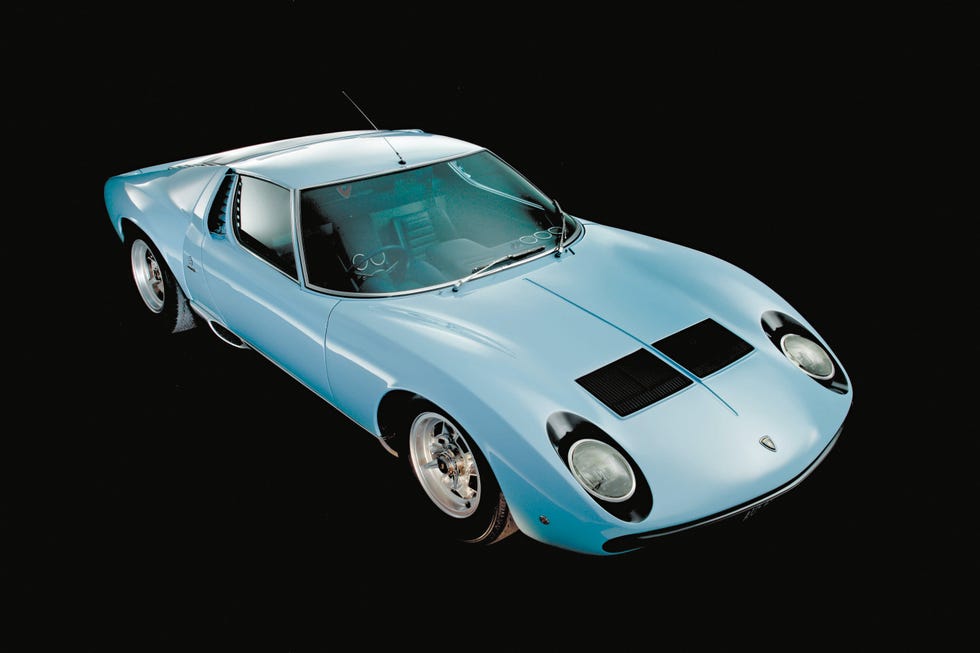
lamborghini miura

James Mann

“There is certainly also the persistent myth regarding the most storied Italian designers in automotive history—Giorgetto Giugiaro and Marcello Gandini—arguing around who really intended the Miura,” he extra. “Sorting that a person out was significantly interesting simply because Giugiaro is not exactly a trustworthy witness. He alterations his tale a whole lot.”

Codling was able to settle that problem, form of. “I think that Giugiaro—likely after a selection of rigid messages from lawyers—moved his story to some thing like, ‘I may possibly have left a couple drawings all over, which may possibly have been some inspiration but could possibly not have been,'” Codling defined. “I imagine that is about as shut to the truth as we are going to get.”

Headshot of Brett Berk

Contributing Editor

Brett Berk (he/him) is a former preschool trainer and early childhood middle director who expended a decade as a youth and spouse and children researcher and now addresses the subject areas of children and the car marketplace for publications which includes CNN, the New York Situations, Well-liked Mechanics and far more. He has revealed a parenting ebook, The Gay Uncle’s Manual to Parenting, and because 2008 has driven and reviewed countless numbers of automobiles for Automobile and Driver and Road & Track, where he is contributing editor. He has also created for Architectural Digest, Billboard, ELLE Decor, Esquire, GQ, Vacation + Leisure and Self-importance Good.   

The Lamborghini V12: Its History and Future

The Lamborghini V12: Its History and Future

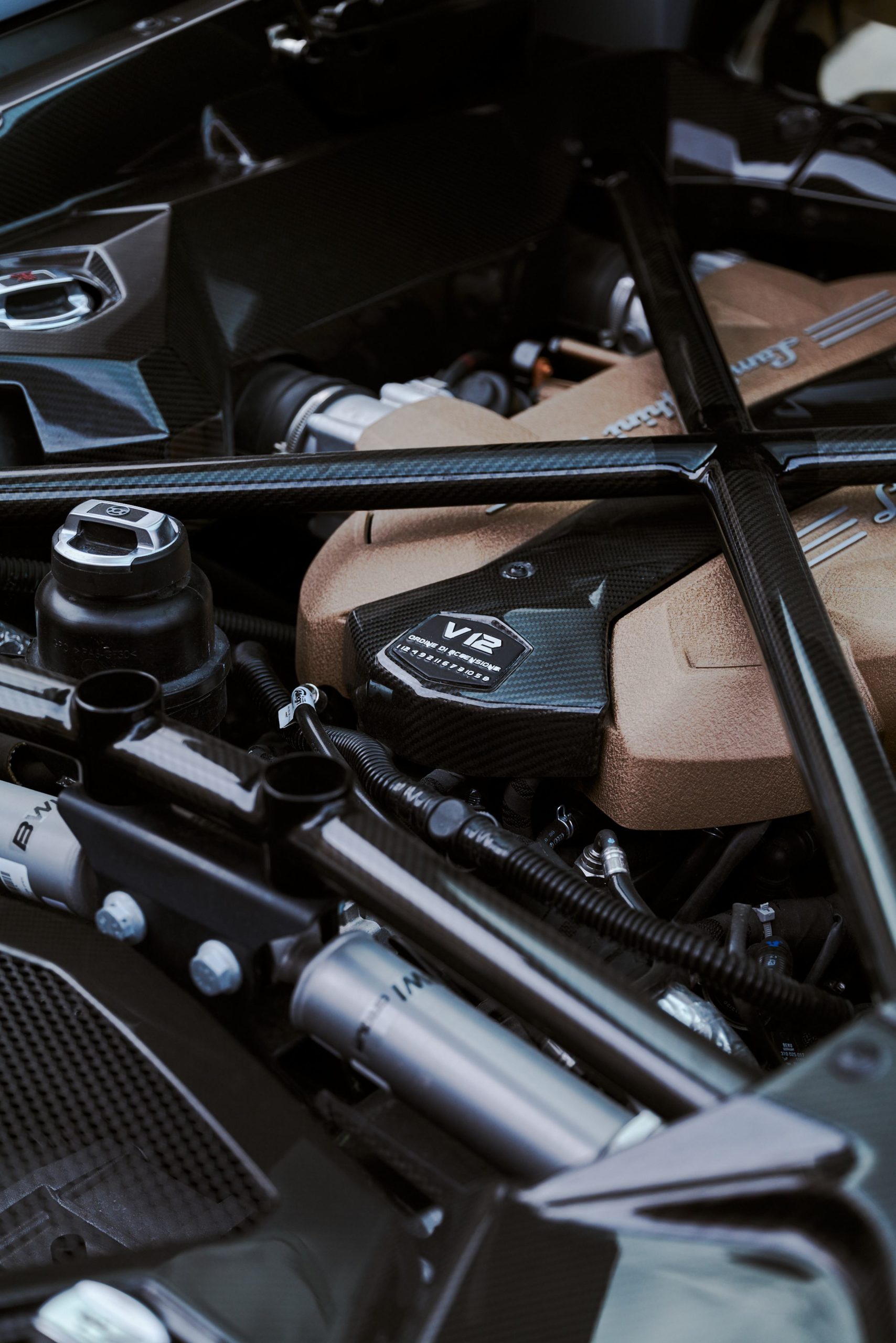
Lamborghini has lived, laughed, and loved with the V12 engine since 1963. That love affair isn’t set to end, but it’s going to change very soon. Before it does, let’s look back at the history of the Lamborghini V12.

At the start of the 1960s, tractor-maker Ferruccio Lamborghini set out to build a sports car that could beat Ferrari. Not on the track, though. On the road. The businessman was tired of sports cars he thought were quick, yet had no business being used every day.

Lamborghini V12 Origins

Lamborghini 400 GT V12
Lamborghini 400 GT V12; (photo/Lamborghini)

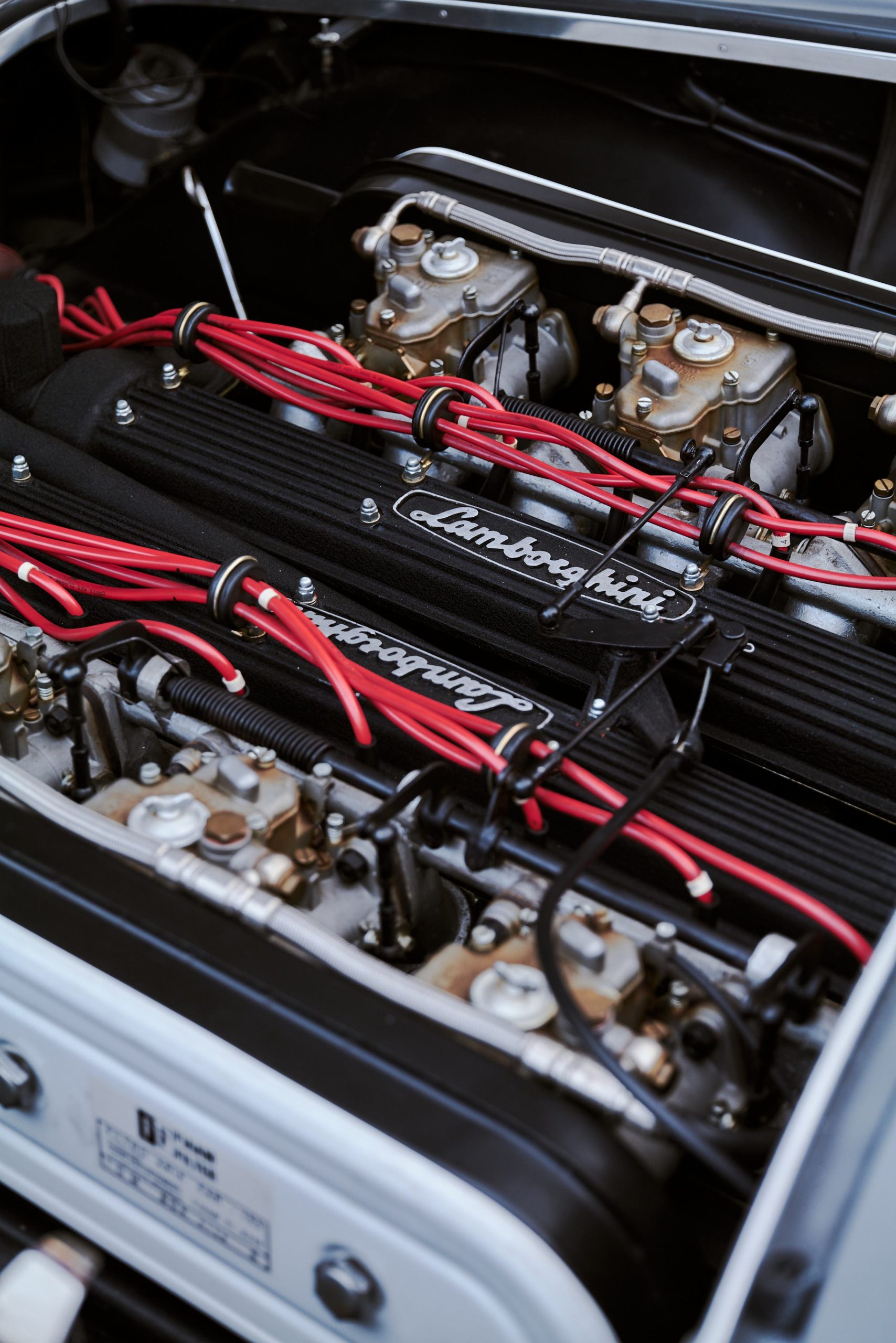
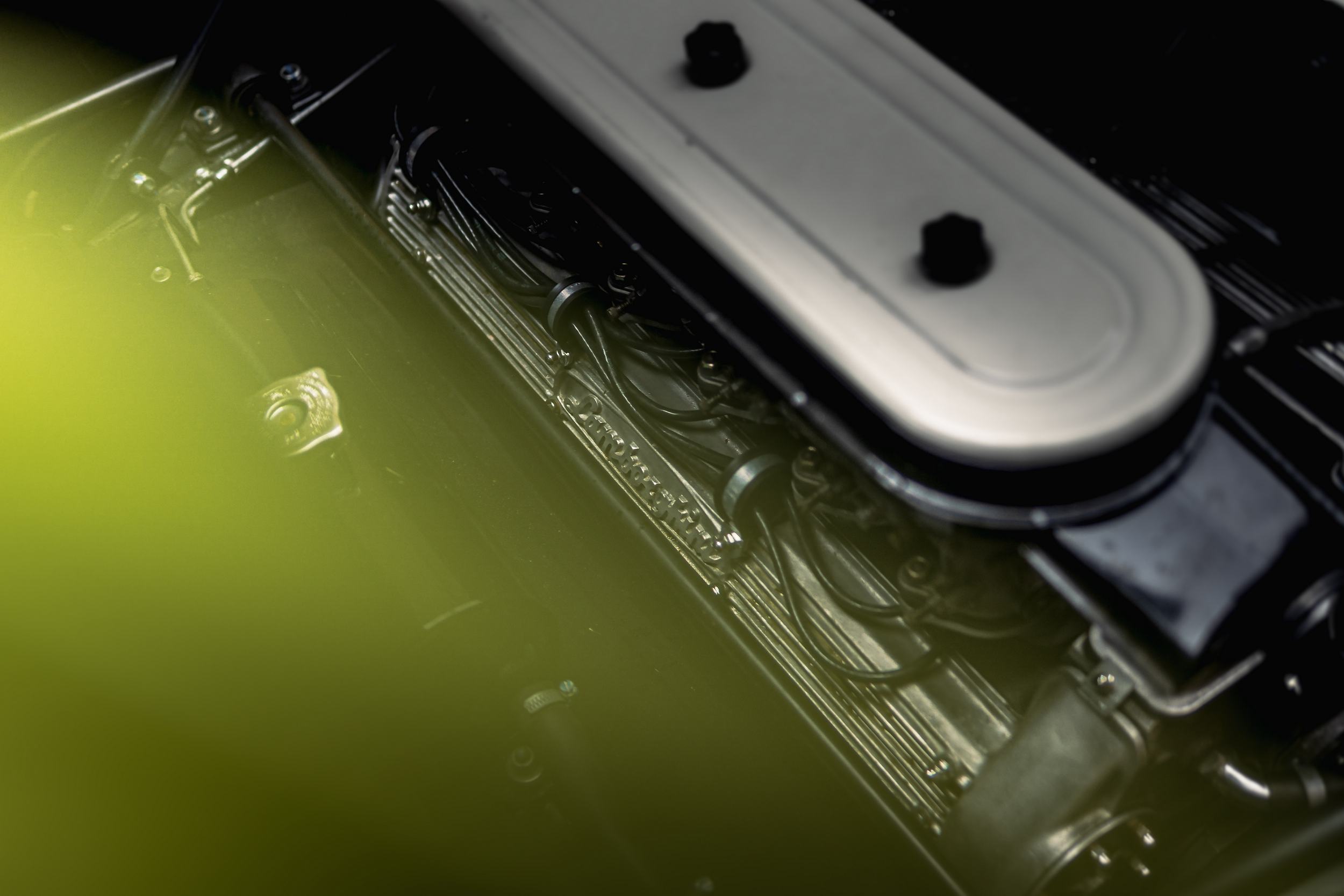
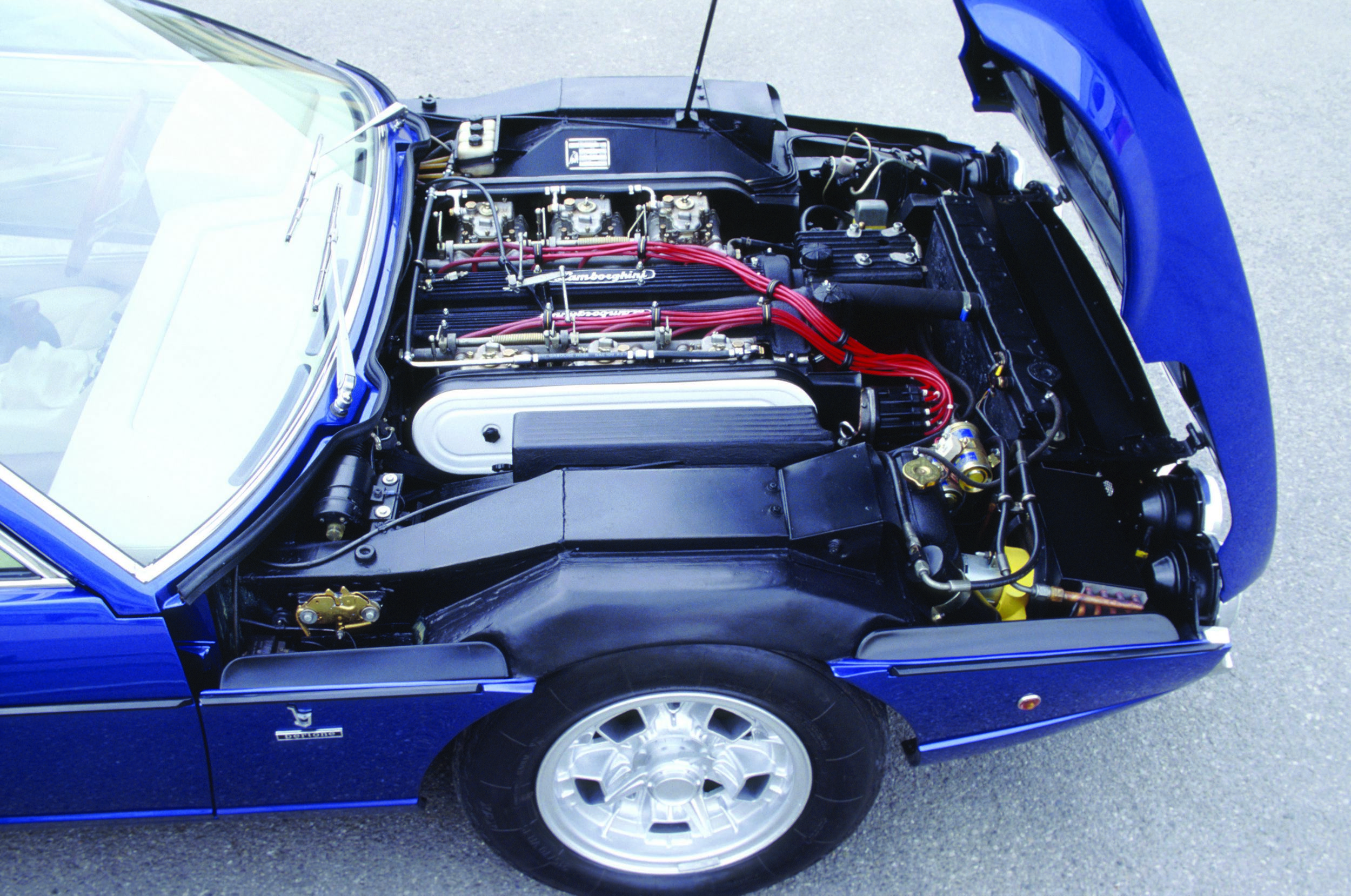
He snagged a big win when he asked Società Autostar to design the engine for his first car. Lamborghini wanted a V12 and the company he commissioned was owned by Giotto Bizzarrini. The very same engineer who had designed the Ferrari V12 engines Lamborghini wanted to best.

Bizzarrini’s new V12 was ready for the Lamborghini 350 GTV, a concept car that made its first appearance at the 1963 Turin Auto Show. The next year it went into production, under the long hood of the 350 GT.

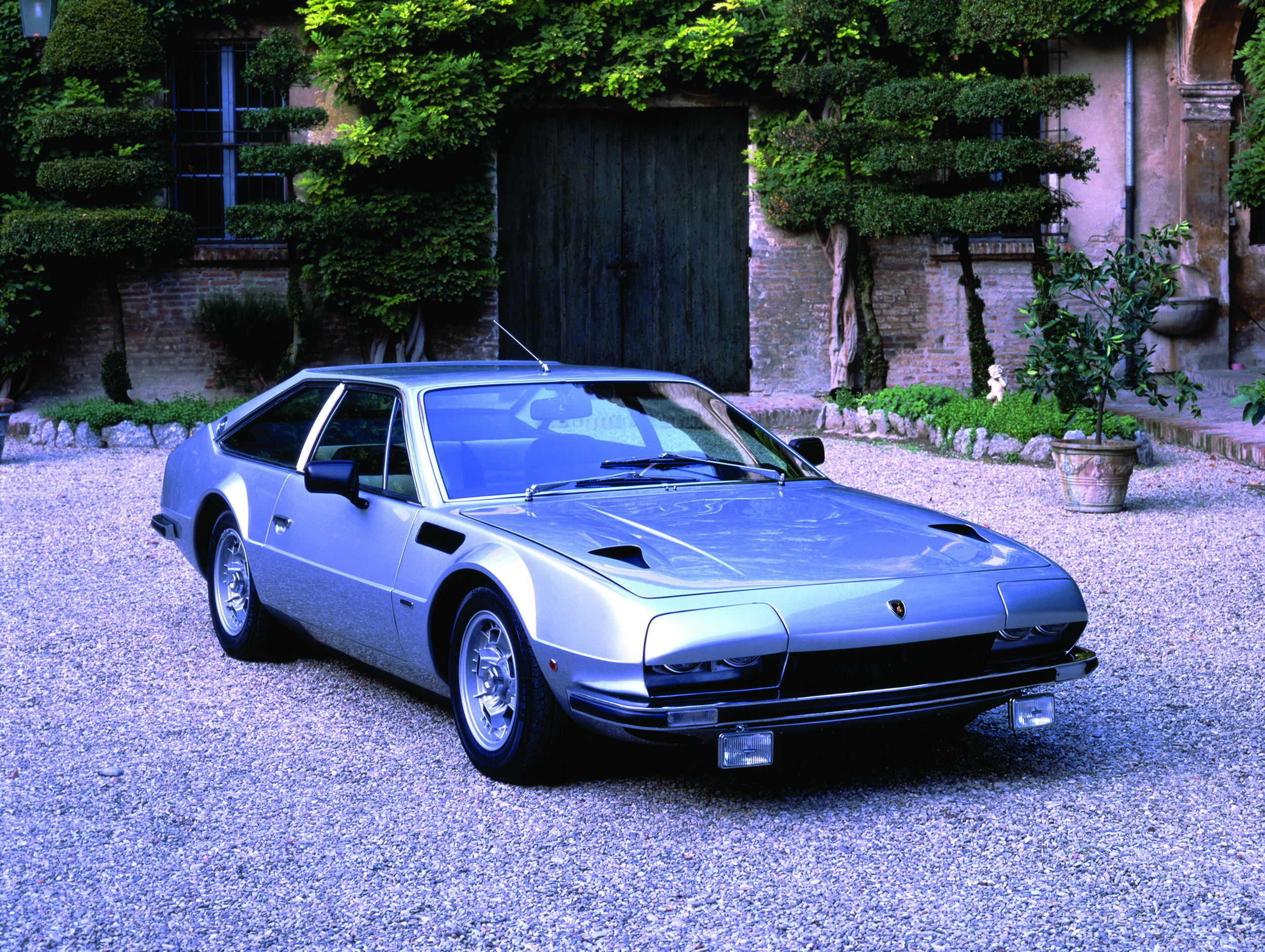
Lamborghini Jarama
Lamborghini Jarama; (photo/Lamborghini)

In the 350 GT, the four-cam (Ferrari only had two at the time) Bizzarrini engine made 270 horsepower. That was enough to push the car to 158 mph. Thanks to an aluminum block, heads, and pistons, it only weighed 511 pounds.

“The Lamborghini story was born with the V12,” said Maurizio Reggiani, former chief technical officer at Lamborghini. “It is clear that in the 1960s, the V12 represented the pinnacle of technology, luxury, and sportiness of every car.”

First Supercar, Same V12

Lamborghini Miura V12
Lamborghini Miura V12; (photo/Lamborghini)

When the Miura came along in 1966, it marked the origin of the supercar. Lamborghini took the same V12, rotated it 90 degrees, and stuffed it behind the driver instead of in the front.

Lamborghini Espada
Lamborghini Espada; (photo/Lamborghini)

For the Miura, Lamborghini increased the engine’s displacement. Now it was 3.9 L and made 345 horsepower. Later, Miura 400S and P400 SV models boosted power even higher, first to 365 horsepower and then to 380. That same year, the 350 GT got a new engine (still mounted in the front) and became the 400 GT.

It would go on to be used in the Espada, Islero, and Jarama — all front-engine grand tourers.

Lamborghini V12
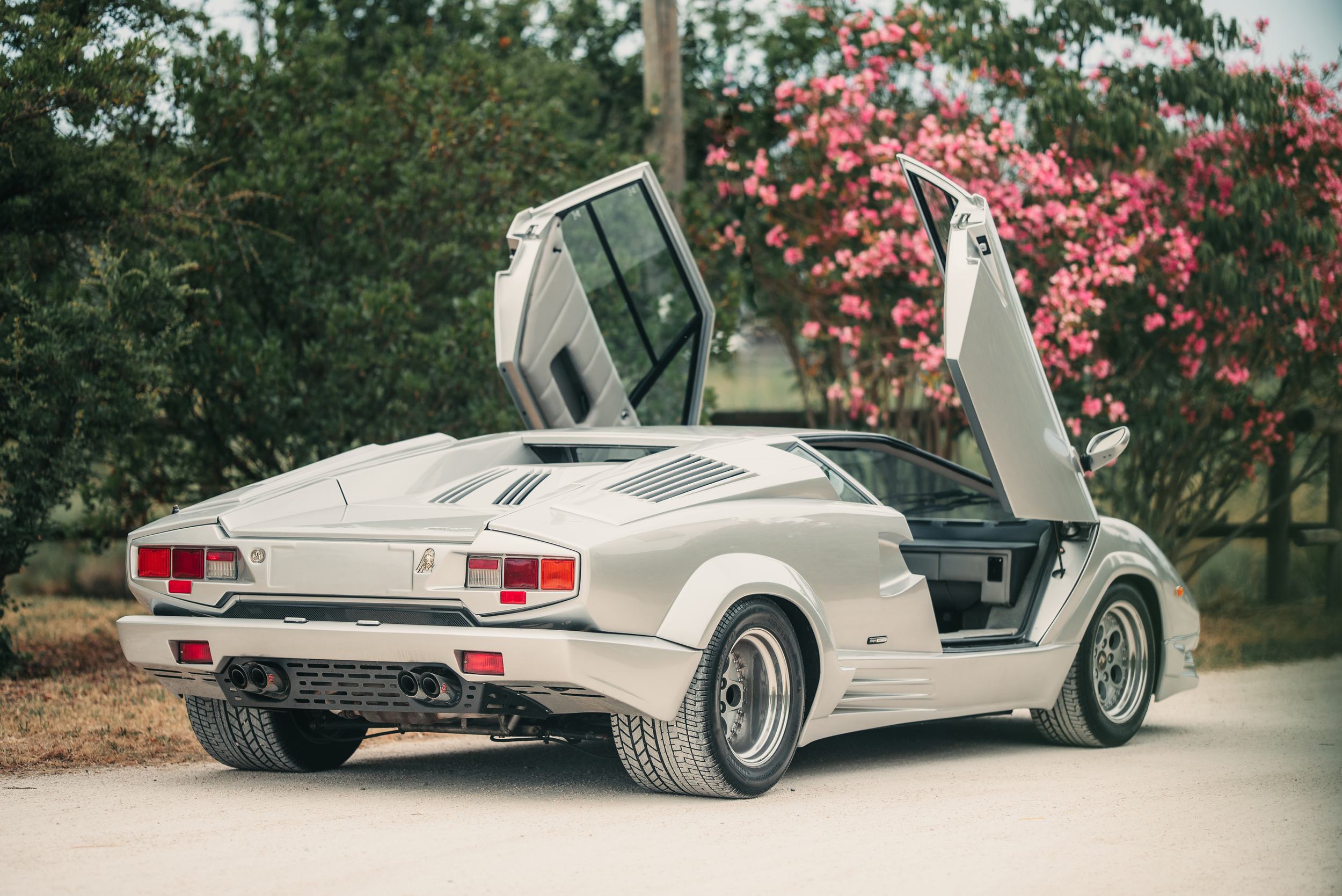
Countach 25th anniversary; (photo/Lamborghini)

When the Lamborghini Countach came along in 1971, it used the same V12. But this time it was turned another 90 degrees, so now the flywheel pointed forward. The transmission was mounted between the engine and the driver, with a drive shaft running back through the oil sump to the rear.

Lamborghini boosted displacement over the years, first to 4.8 L in the Countach LP500 S and then 5.2 L in the 5000 QV. In 5000 QV form, the engine made 449 horsepower and 369 pound-feet of torque.

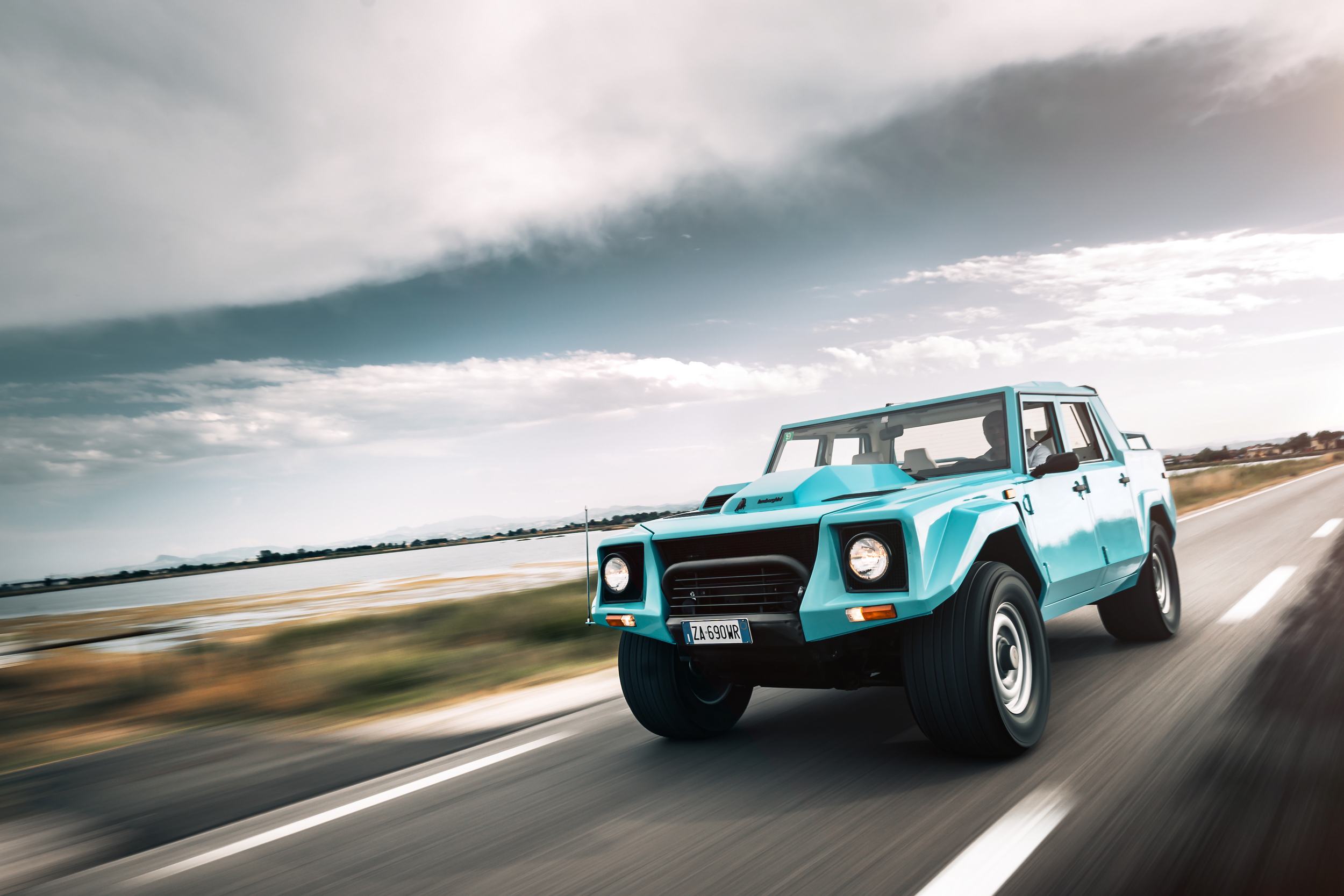
Lamborghini LM002 V12
Lamborghini LM002; (photo/Lamborghini)

In 1986, Lamborghini took the latest V12 and took it off road. The LM002 (also called the Rambo Lambo) was a failed attempt at a military vehicle and a not-exactly-successful attempt at an SUV. The LM002 saw the 5.2L V12 placed in the front driving all four wheels. Rather short-lived, just 328 were produced over 7 years.

30 Years: One Powerful Engine

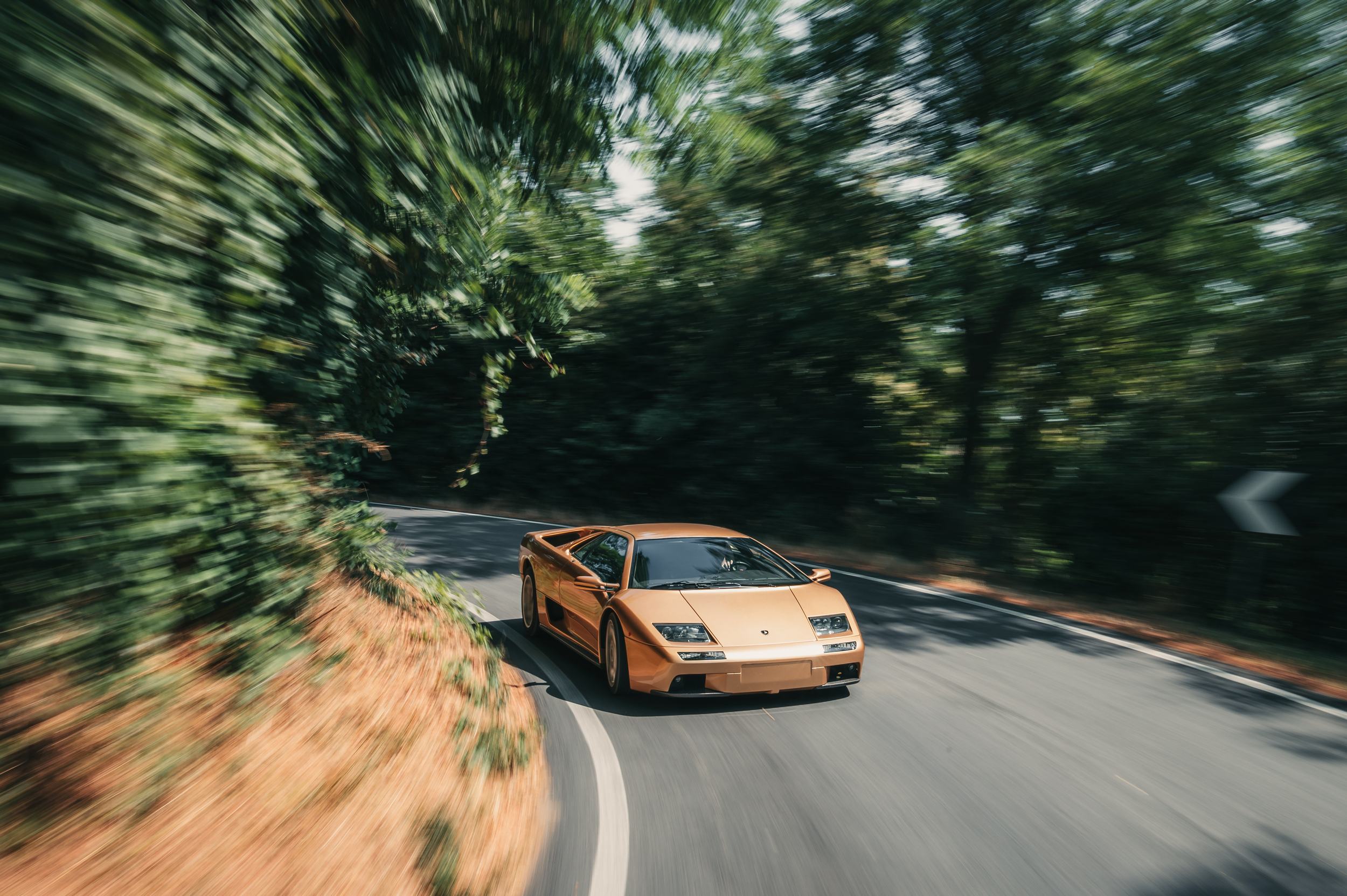
Lamborghini Diablo
Lamborghini Diablo; (photo/Lamborghini)

The Countach was replaced by the Diablo in 1990, but after nearly 30 years the Bizzarrini V12 wasn’t ready to be put out to pasture just yet. For the Diablo displacement grew again, to 5.7 L. The power levels grew as well, to 485 horsepower and 428 pound-feet of torque. By the end of the Diablo’s run in 2001, it displaced 6.0 L and made 575 horsepower.

In 2001, the Lamborghini Murciélago arrived, but even though the company’s V12 had been working long enough to collect a pension, the car company wasn’t done with it.

Lamborghini Murcielago V12
Lamborghini Murcielago V12; (photo/Lamborghini)

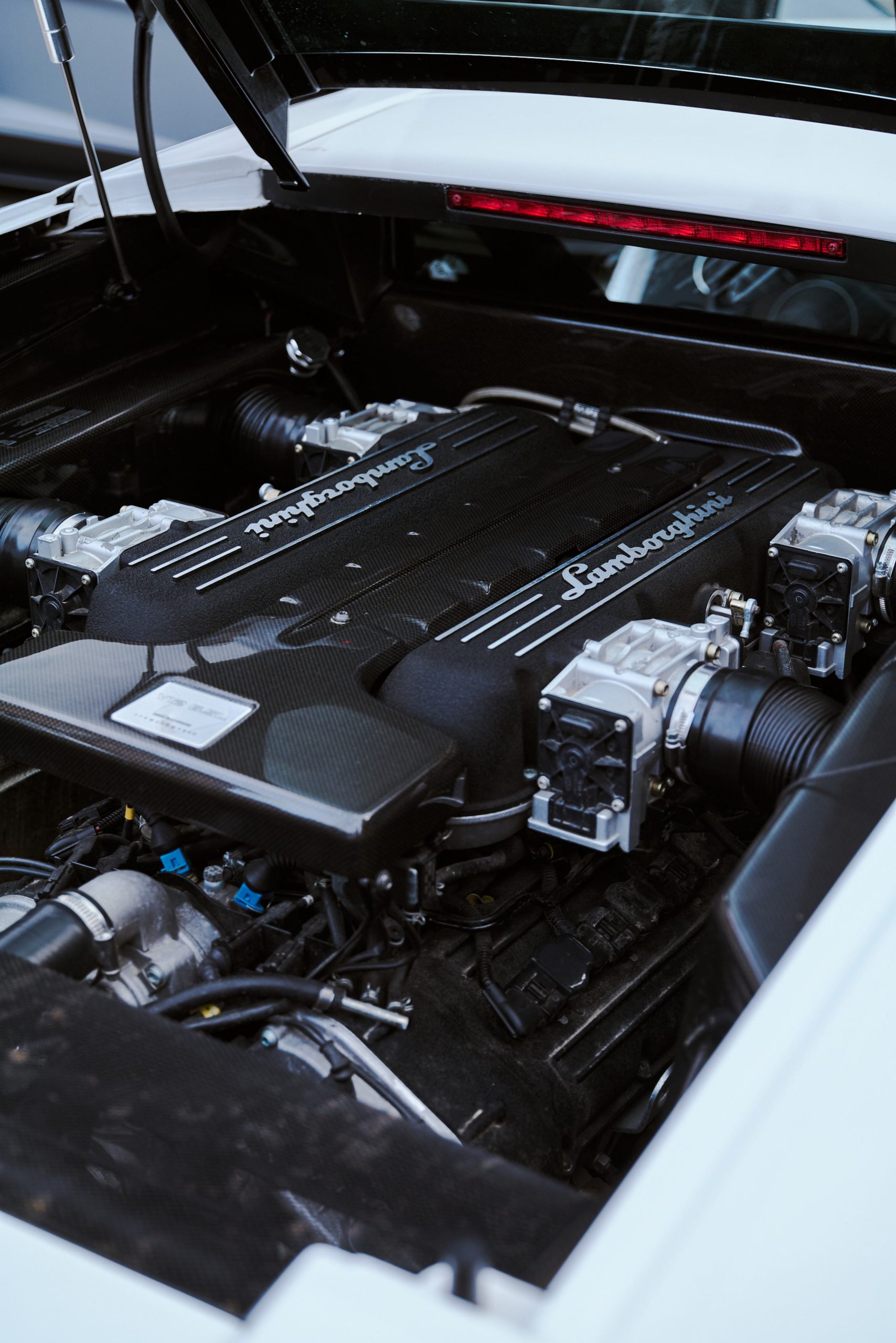
Serious internal changes saw the engine grow just slightly from 6.2 to 6.5 L, but power was way up. The V12 made 661 horsepower, and upgrades like a dry sump oil system helped lower the car for better handling.

In 2011, the Bizzarrini V12 finally got a break. The Lamborghini Aventador arrived and it had an all-new V12. The clean-sheet design was lighter and vastly more modern, starting with 6.5 L and 690 horsepower. The beating heart of Lamborghini was stronger than ever.

Over the Aventador’s lifetime, the engine would be tweaked to eventually make 770 horsepower. The engine saw duty in Aventador-based ultra-special models, including the 2013 Veneno and the 100th birthday gift to the company’s founder, the 2016 Centenario. In the Aventador-based, track-only Essenza, it made 830 horsepower.

What’s Next for the Lambo V12?

Lamborghini Aventador Ultimae V12
Lamborghini Aventador Ultimae V12; (photo/Lamborghini)

With incredibly tough new emissions laws and a new Lamborghini flagship coming soon, is this the end of the company’s relationship with the V12? Absolutely not.

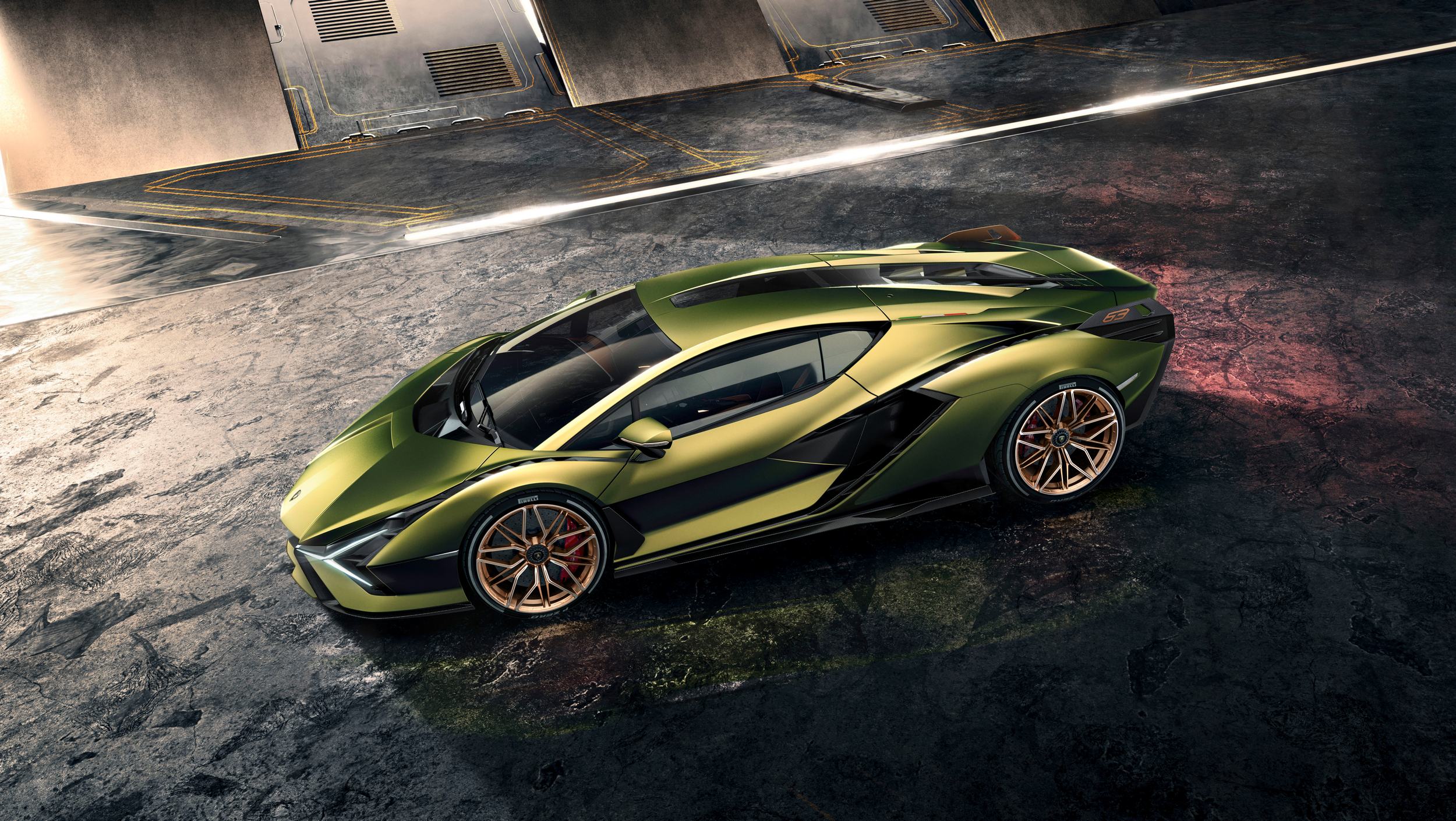
Lamborghini Sián FKP 37
Lamborghini Sian FKP 37; (photo/Lamborghini)

The Aventador was the last Lamborghini to get a naturally aspirated and unassisted version of the V12 engine. But Lamborghini said it’s about to turn to a new chapter. One where the V12 is backed by a hybrid system that will hopefully keep the raging bulls screaming for at least another decade.

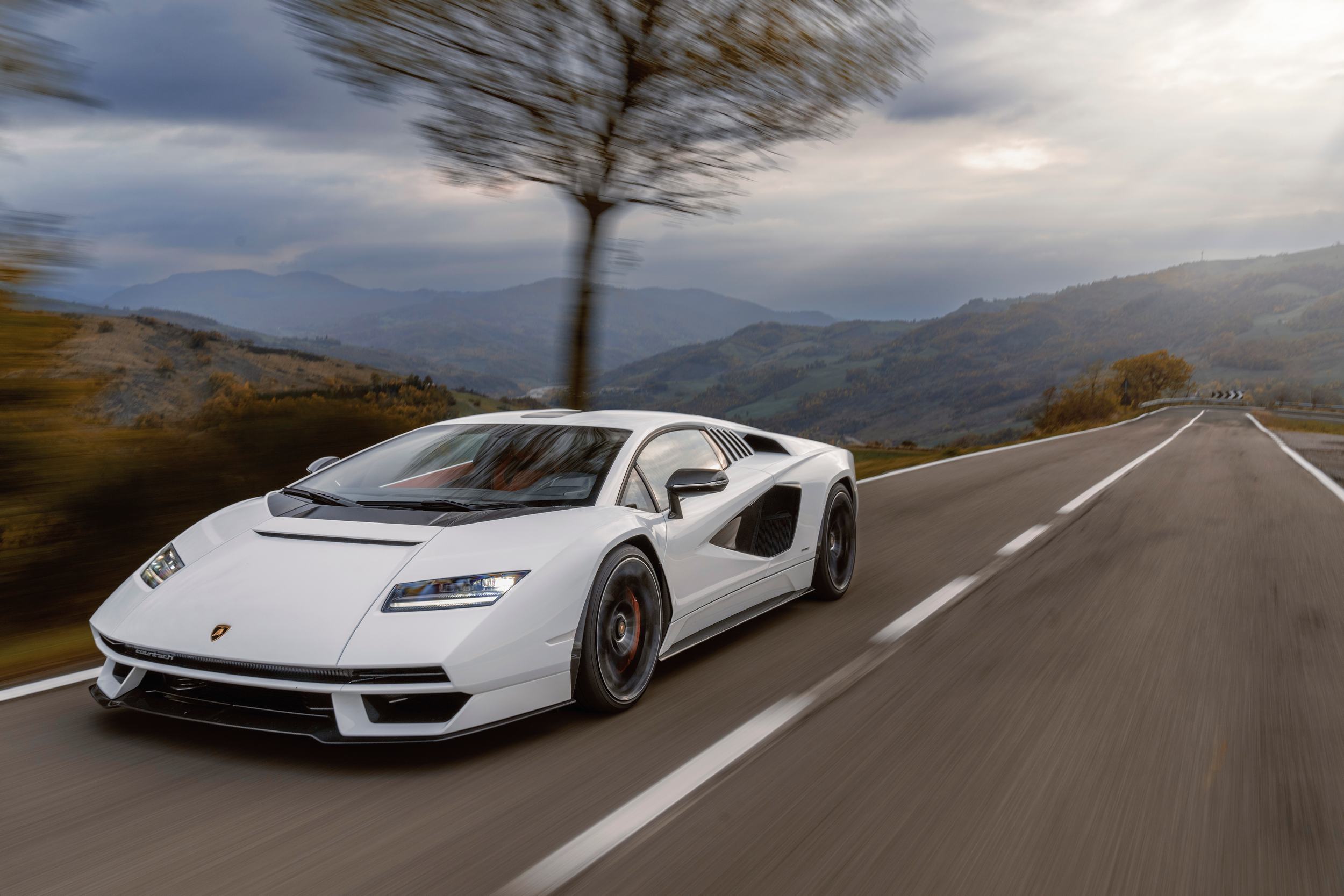
Lamborghini Countach LPI 800-4
Lamborghini Countach LPI 800-4; (photo/Lamborghini)

The company has already given us a preview of what’s possible with the Aventador-based Sián FKP 37 and Countach LPI 800-4. When the company ran out of ways to increase power from its V12, it fitted a small electric motor. A supercapacitor instead of a traditional hybrid battery supplied the juice and instead of 770 horsepower, the Countach LPI 800-4 makes 803. The Sián produces 808 horsepower, showing the potential of 12 cylinders and electric power combined.

The supercharged history of the turbo at the 24 Hours of Le Mans

The supercharged history of the turbo at the 24 Hours of Le Mans

24 Hrs CENTENARY – PERPETUAL INNOVATION ⎮ All through the background of the 24 Several hours of Le Mans, quite a few innovations introduced for the race have observed their way into day to day automobiles. The quest to enhance motor ability initial appeared in the late 1920s with compressors revolutionary the technology seen in today’s turbo systems.

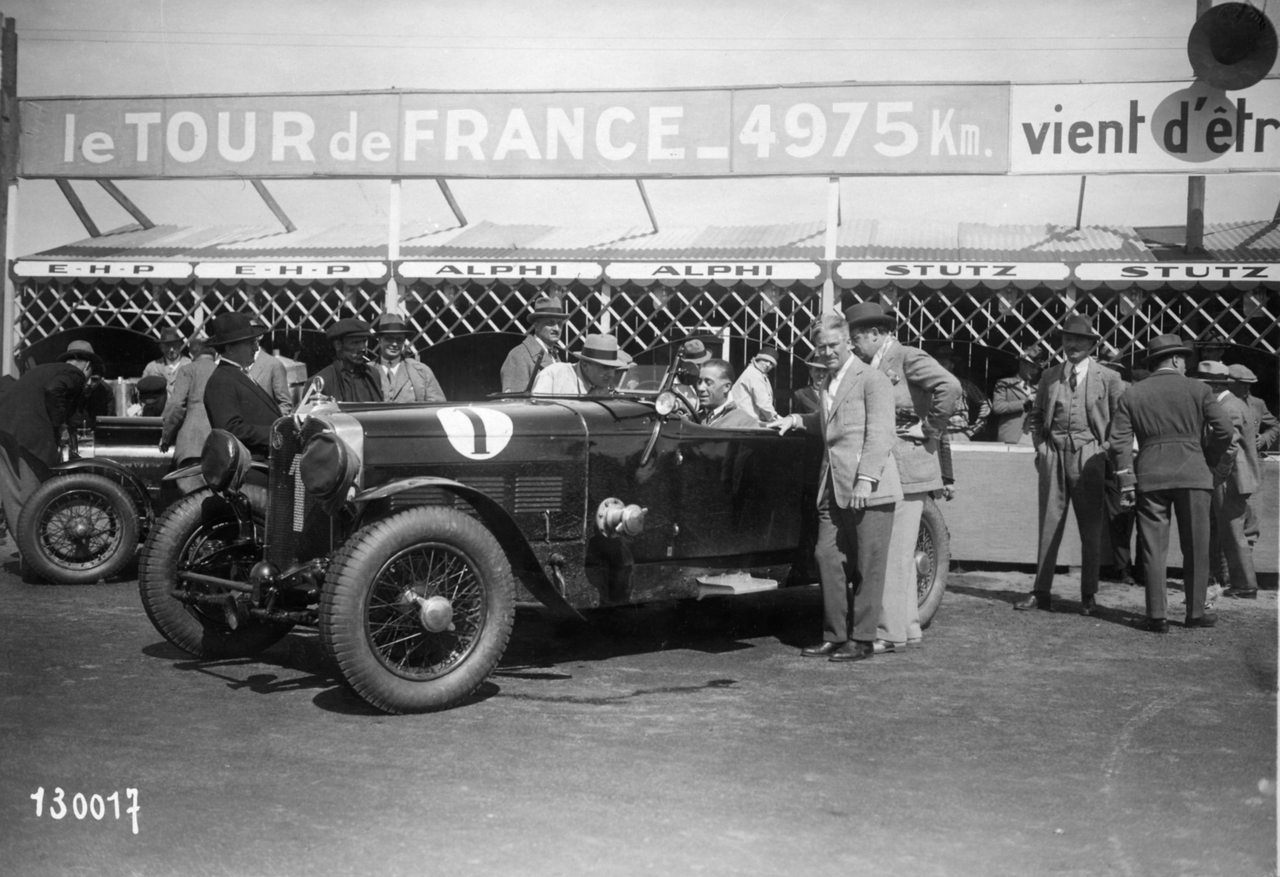
The 1928 24 Hrs of Le Mans observed the arrival of forced induction in the condition of a compressor, bringing a distinct advancement in obtainable electricity. This addition so launched a difference among traditional, by natural means aspirated engines, and forced induction or supercharged engines.

An engine operates on an air/fuel mixture with a distinct ratio. To deliver more electrical power, the quantity of gasoline admitted have to be increased, and hence the amount of air far too. The most straightforward way to obtain this is by raising the displacement but constraints on the cubic potential of engines created into race rules limit the scope of action. Superchargers overcame this issue by rising the volume of air drawn into the motor by elevating stress from .8 to 1.5 bar. More gas could as a result be fed in while trying to keep the richness of the combination at a affordable amount, as a result boosting electric power.

Having said that, superchargers should be driven in get to compress the air. The variations developed in the 1920s and ’30s utilized the rotary motion of the crankshaft to generate a screw compressor or tooth compressor (with “tooth” rotors compressing the air inside of the supercharger). This gadget was significantly recognizable at the entrance of Bentleys, at the stop of the crankshaft, less than the radiator.

The edge of superchargers was that they could be used with any size of engine. French expert Cozette made use of the know-how with the Tracta’s 998 cm3 engine. It was approximated that supercharging resulted in 30{49e09b23eae7466ccc7574c19ebb3019301c9a11d2999feff81a3526451546a5} better displacement than the simple geometric displacement. Boosted by this technological know-how, Bentley, Mercedes and Stutz all created 200 horsepower by the end of the 1920s.

From the supercharger to the turbo

As superchargers are energetic even at small engine speeds, they are specifically powerful on acceleration. However, as the engine ‘s crankshaft powers the supercharger, it causes a decline of horsepower. They had been consequently abandoned following the 2nd Earth War in favour of much larger engines coupled with fuel injection programs.

By the mid-seventies, on the other hand, Porsche and Renault experienced designed a program to use squander exhaust gasoline electrical power with a smaller turbine to push a smaller blade-kind compressor. The turbocharger 1st appeared at the 24 Several hours of Le Mans in 1974 on a Porsche, just before the 1976-78 period made a sequence of turbocharged facial area-offs among the German maker and Renault.

Generations of engineers have labored to defeat the most important downside of this technologies: the reaction time on accelerating. This is for the reason that a big amount of money of hot gas is necessary to generate the turbine. Even so, on decelerating into a switch, the driver releases the throttle, minimizing the amount of exhaust gases and the force. For that reason, when accelerating out of the change, the turbine is jogging at minimal pace and tiny air is compressed. The turbocharger only becomes energetic yet again when engine velocity has crafted back again up.

Tremendous- and turbocharger technology has assisted limit the cubic capability of engines and for that reason the volume to be integrated into the chassis. The compact measurement of the latest era of engines is very revealing of the progress accomplished in this respect. Whereas they had been originally employed practically exclusively with monumental truck engines, turbo techniques now aspect on 1500 cm3 to 2-litre types – or even scaled-down engines on manufacturing automobiles. In the meantime, the ACO and the FIA keep on to work on the equivalences involving by natural means aspirated and super- or turbocharged engines, with multiplication things ranging from 1.4 to 2 according to technological developments. This coefficient signifies that a 1500 cm3 turbocharged engine with a multiplication factor of 2 corresponds to a 3000 cm3 engine.

Evening time at Le Mans has often held a specific sort of magic. The introduction of the turbo has additional further sparkle with the rear of the cars lit up by pink-warm turbos and exhaust pipes spitting out flames as they decelerate into the bends.

Pics: LE MANS (SARTHE, FRANCE), CIRCUIT DES 24 HEURES, 24 Several hours OF LE MANS – FROM Best TO Base (© ACO archives). A few shots capturing the changeover from the supercharger to the turbocharger: in 1930, the supercharger on the Bentley Blower of Henry Birkin/Jean Chassagne can be seen right here beneath the radiator in 1928, Robert Bloch/Edouard Brisson completed 2nd in the Stutz DV16 Blackhawk: the very best end result obtained by a US company until finally Ford’s maiden get in 1966 in 1976, the Porsche 936 of Jacky Ickx (at the wheel) and Gijs van Lennep became the initially turbocharged automobile to earn the 24 Hrs of Le Mans.